
6 Emotional Literacy Building Tools — How Does Vocabulary Support DBT, CBT, and Other EVPs?
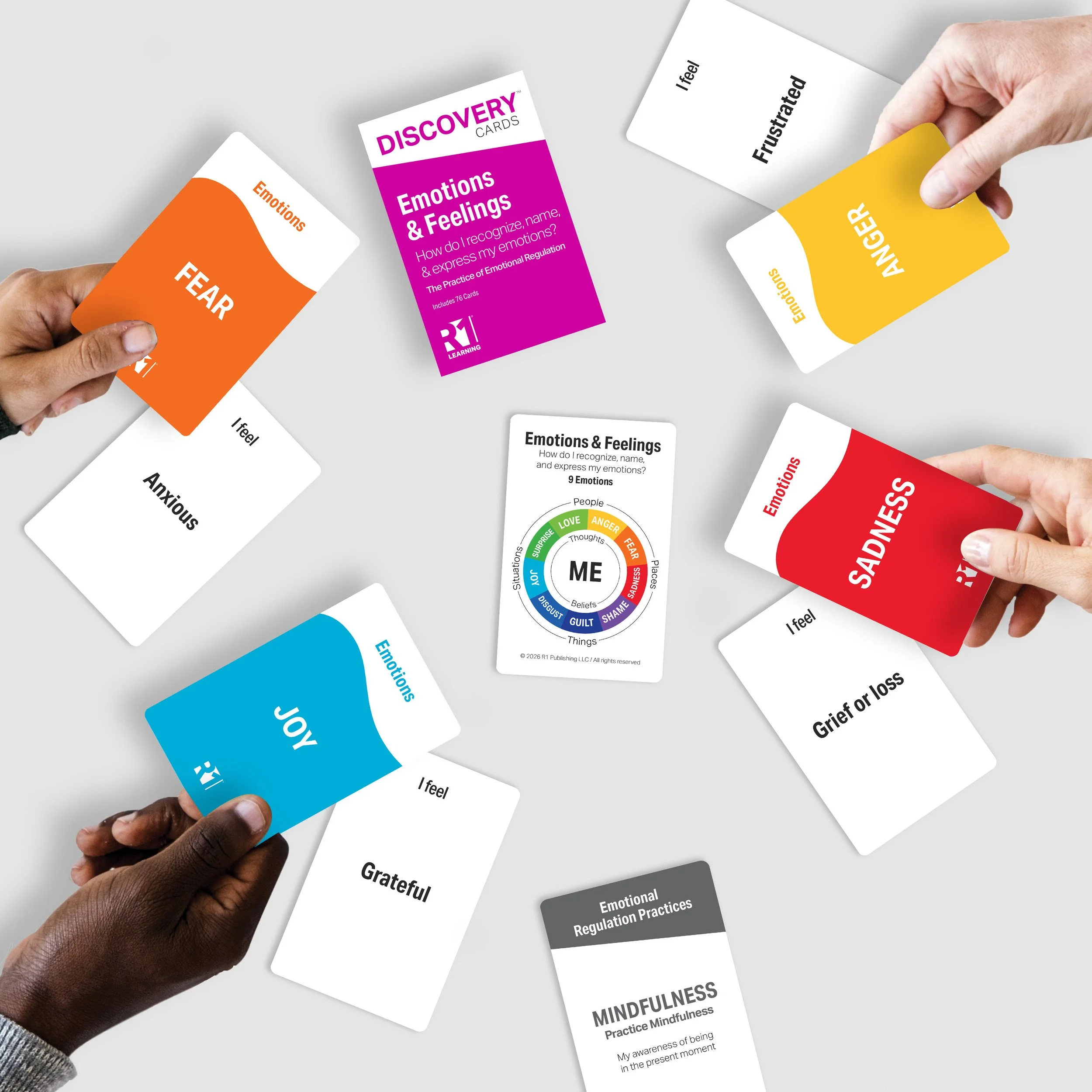

Emotional literacy is a foundational skill that helps individuals recognize, label, evaluate, and express their emotions and feelings. Building these skills strengthens self-awareness, increases engagement, and improves an individual’s ability to learn and apply the concepts and practices taught in Dialectical Behavior Therapy (DBT), Cognitive Behavioral Therapy (CBT), and trauma-focused programming for Post-Traumatic Stress Disorder (PTSD). As individuals develop greater emotional awareness and vocabulary, they become better equipped to identify emotional triggers (or activators), name emotions and feelings, recognize patterns, regulate emotional responses, and make healthier choices. Strengthening basic emotional literacy can improve participation, skill development, and the potential for meaningful, lasting behavioral health outcomes.
We are finding more and more educational spaces for our standardized, interactive, vocabulary building tools. Both our hands-on and digital versions of the Discovery Cards enable individuals to build basic vocabulary quickly and effectively. Below is a list of fifteen evidence-based practices or programs, and how emotional literacy supports them:
Dialectical Behavior Therapy (DBT)—Strengthens emotion identification, emotional regulation, distress tolerance, and interpersonal effectiveness.
Cognitive Behavioral Therapy (CBT)—Helps individuals recognize connections between emotions, thoughts, and behaviors to support healthier responses.
Trauma-Informed Care / PTSD Treatment—Builds emotional awareness, recognition of trauma-related responses, and skills for emotional regulation.
Zero Suicide / Suicide Prevention—Supports recognition and communication of emotional distress, help-seeking, and engagement in safety planning.
Social and Emotional Learning (SEL)—Develops self-awareness, self-management, social awareness, relationship skills, and responsible decision-making.
Substance Use Disorder (SUD) Treatment / Relapse Prevention—Helps individuals identify emotional triggers, understand connections between emotions and substance use, and strengthen coping skills.
Anger Management Programs—Improves recognition of anger cues, emotional intensity, underlying emotions, and healthier behavioral responses.
Grief & Loss Counseling—Helps individuals identify, understand, and express emotions associated with grief, loss, bereavement, and major life transitions.
Anxiety & Stress Management—Strengthens recognition of fear, worry, and emotional triggers while developing healthier coping and self-regulation skills.
Depression Treatment & Management—Helps individuals recognize and communicate emotions, understand emotional patterns, and address difficulties with emotional awareness and expression.
Family Therapy & Parenting Programs—Builds emotional awareness, empathy, communication, and emotional regulation to strengthen family relationships and parenting skills.
Domestic Violence & Healthy Relationships Programs—Supports recognition of emotional triggers, emotional regulation, healthy boundaries, communication, and relationship safety.
Acceptance and Commitment Therapy (ACT)—Strengthens emotional awareness, acceptance of difficult feelings, psychological flexibility, and values-based actions.
Motivational Interviewing (MI)—Helps individuals identify and express emotions associated with ambivalence, personal values, motivation, and behavior change.
Mental Health Recovery / Peer Support Programs—Supports emotional expression, self-understanding, communication, recovery planning, and self-management.
How Do You Help Individuals Build Emotional Literacy?
As we shared at the beginning of this post, emotional literacy is a foundational skill that helps individuals recognize, label, evaluate, and express their emotions and feelings.
How do you help individuals build their emotional vocabulary in your program? Do you use posters or handouts listing emotions and feelings? Do you incorporate feelings wheels, balls, cards, journals, or other tools into your one-on-one and group sessions? What do you use that you find most effective? Please email me what you use, and we’ll share them with others: tom.karl@R1Learning.com.
Emotional Literacy Building in Practice—My Experience: I remember several elements of my substance use treatment experience at the Meadows in Wickenburg, Arizona, in the Fall of 2014. The late Pia Mellody, a longtime Fellow at the Meadows, emphasized the importance of recognizing and connecting with our emotions and feelings at every opportunity in programming.
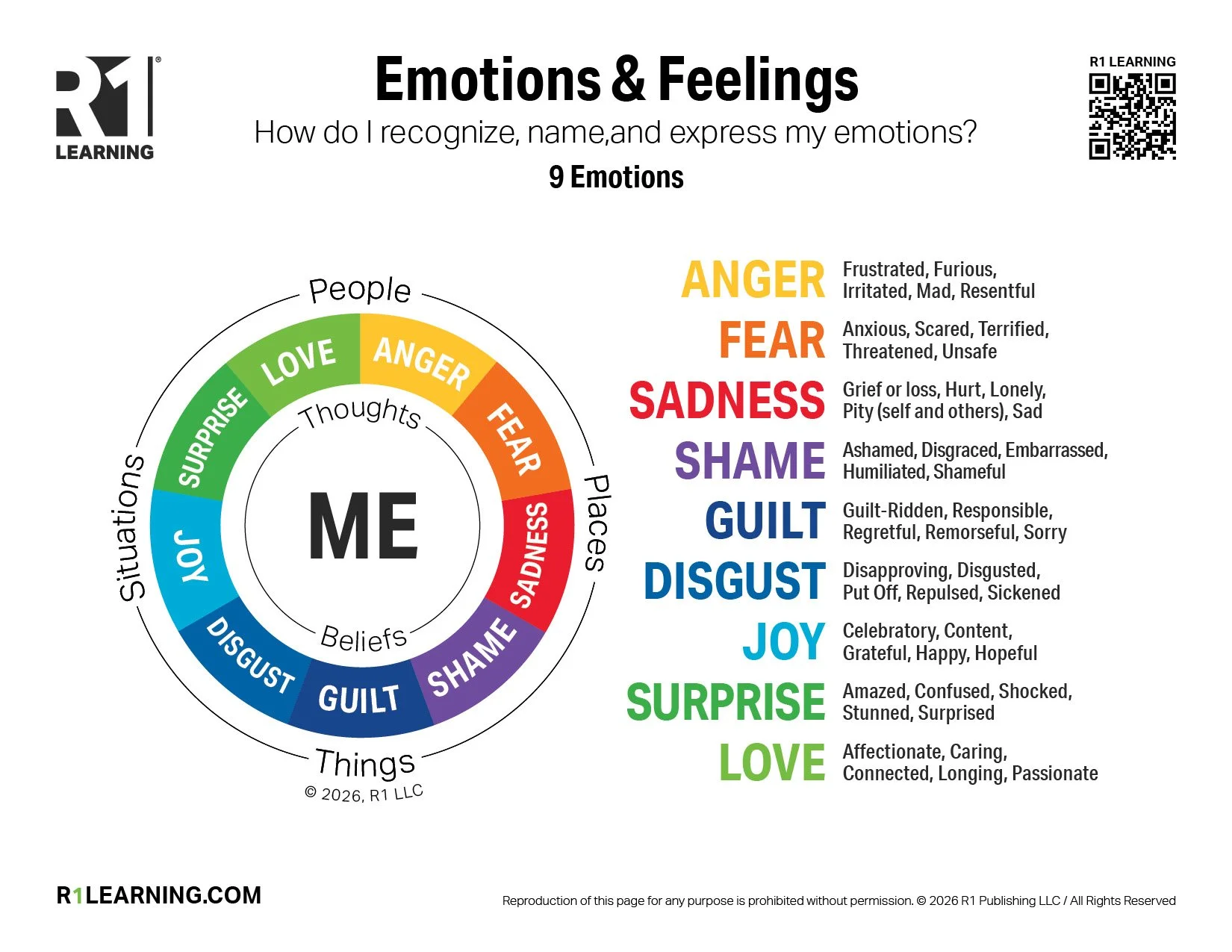
In our primary group room, a poster listing emotions and feelings hung on the wall. It became the centerpiece of all conversations and an invaluable tool that I used every day throughout my 45-day journey there.
Another powerful practice was a structured approach to sharing when responding to others in group sessions. When someone shared their experience, we were encouraged (actually required) to respond using a simple 3-step talking construct which also was on a poster in the group room:
"When I heard you say…" — Repeat or paraphrase what the person shared.
"What I made up about it…" — Identify my own thoughts, assumptions, or interpretations, recognizing they are not necessarily facts.
"And about that, I feel…" — Identify and express my emotions or underlying feelings, using the poster to help find the right words.
This simple practice helped me (us) distinguish between what I heard, what I thought, and what I felt. This talking and feedback process was tremendously valuable in teaching me effective communications skills (listening and verbal) in addition to helping me recognize, name, and express my emotions and feelings in a healthy way as part of my recovery.
The lesson has stayed with me: Building emotional vocabulary is important but creating consistent opportunities to use that vocabulary is what makes emotional literacy a practical, lifelong skill.
I'm grateful that the Meadows made this such a foundational part of its program, and I continue to appreciate its value today.
Note: My sobriety date is April 14, 2017. My treatment journey officially started at my first of several medically monitored withdrawal treatments at the Virginia Hospital Center in Arlington, Virginia on December 17, 2011. In addition to my treatment stay at the Meadows, I participated in two intensive outpatient programs and counseling between 2011 and 2017. Today, I participate in recovery pathways, have a strong recovery networks, and swim every day. And most importantly, I love being sober.
R1 Emotional Literacy Building Topics
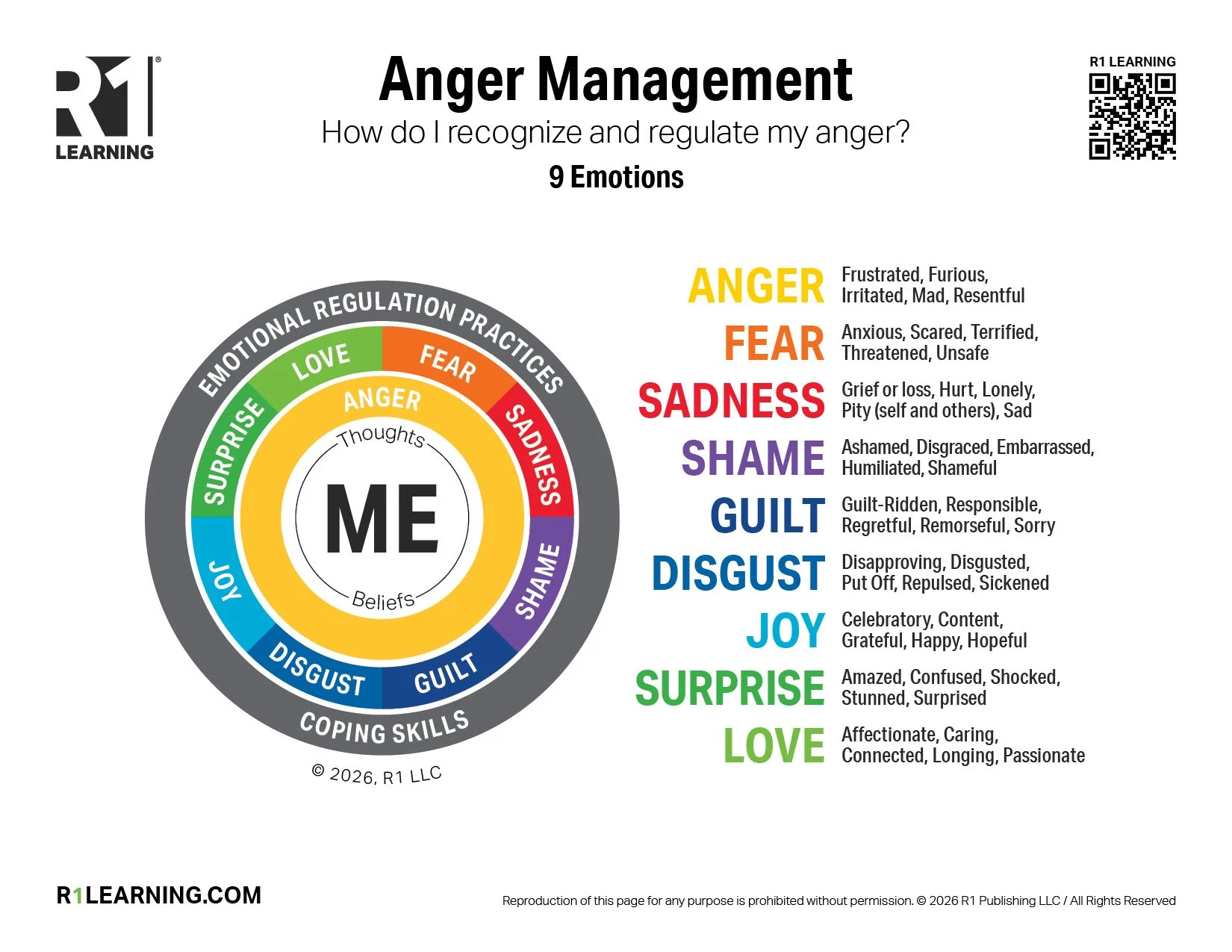
As we build more topics for the R1 Learning System, it is becoming more important for us to share what is the same and what is different about all of the tools we’re developing. Emotional literacy and emotional regulation covers a lot of ground when coupled with evidence-based theories such as the Cognitive Appraisal Theory of Emotions. Below highlights the content basics for each of our topics and what is included in each. Click on the image below to learn more.
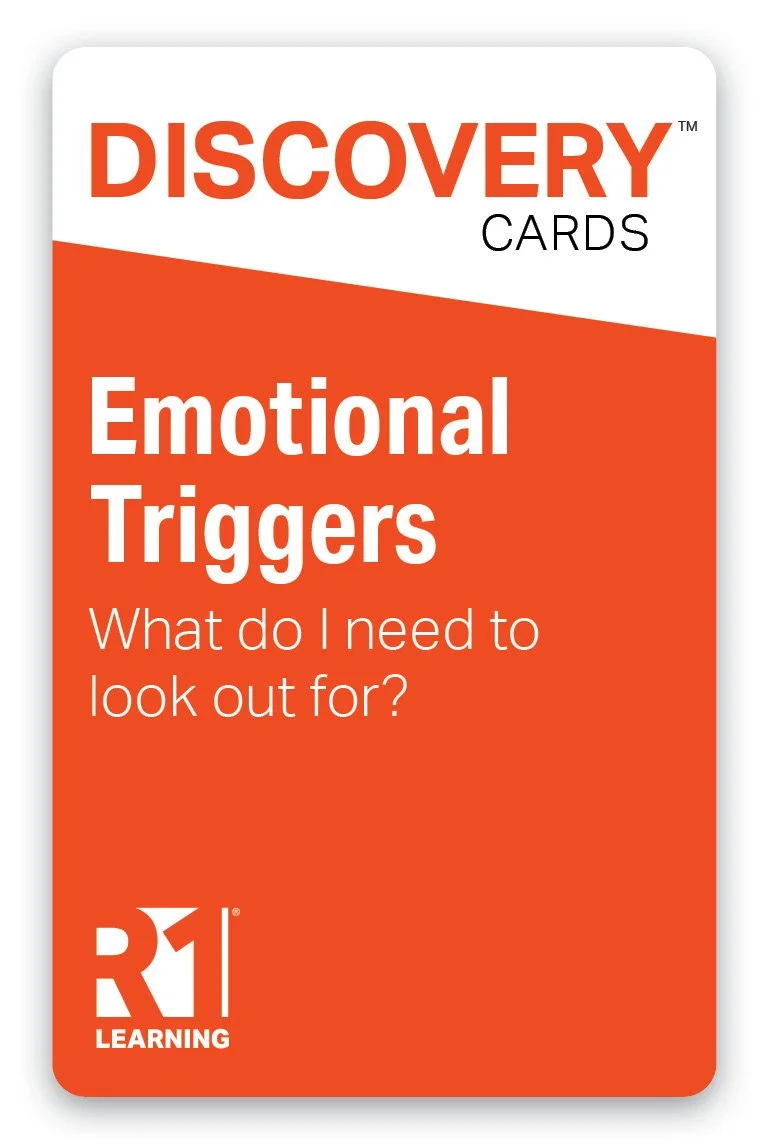
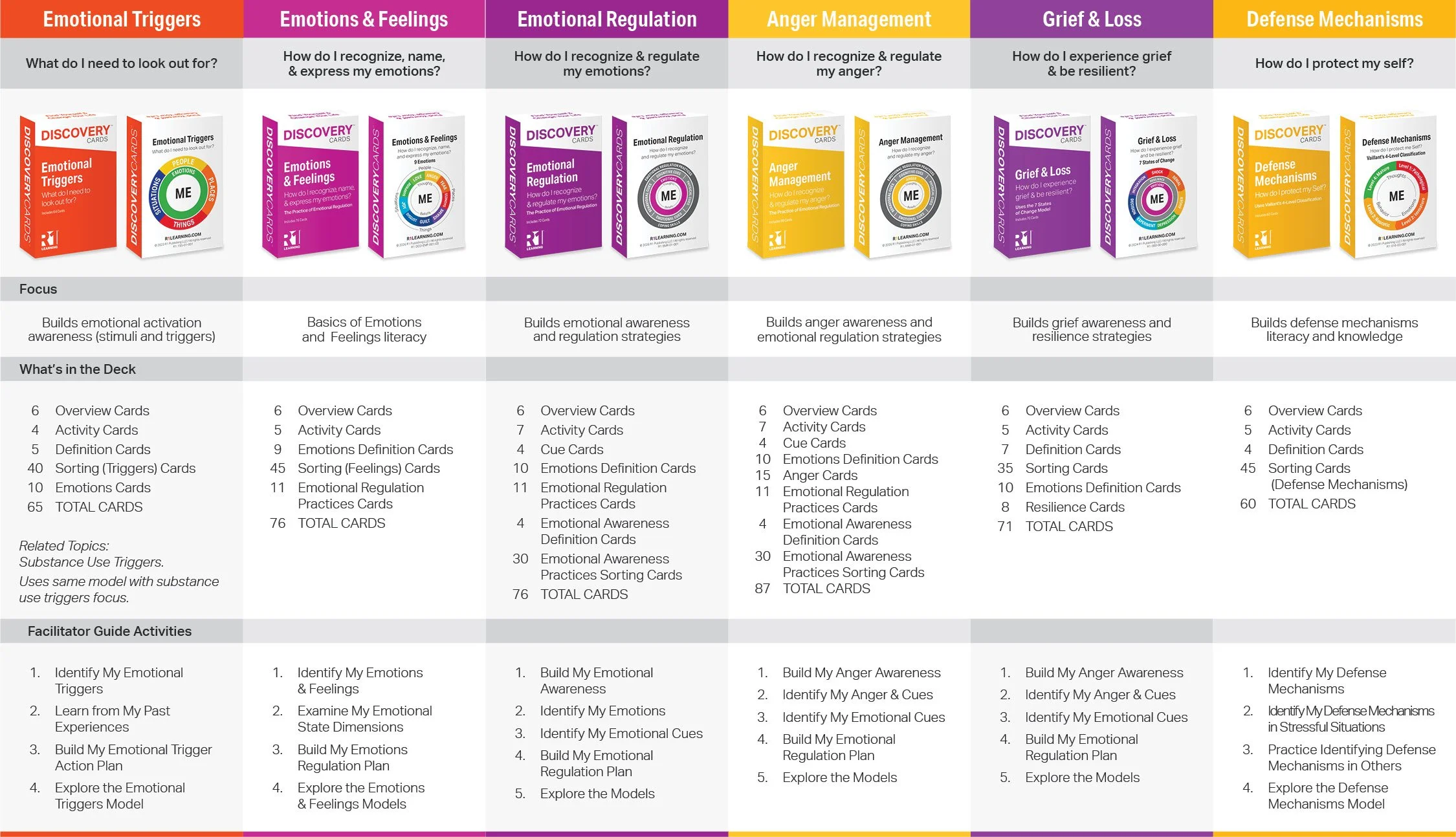
1. Emotional Triggers (Activators)—What do I need to look out for?
Identify the people, places, things, situations, and events (or thoughts & beliefs) that trigger strong emotional reactions.
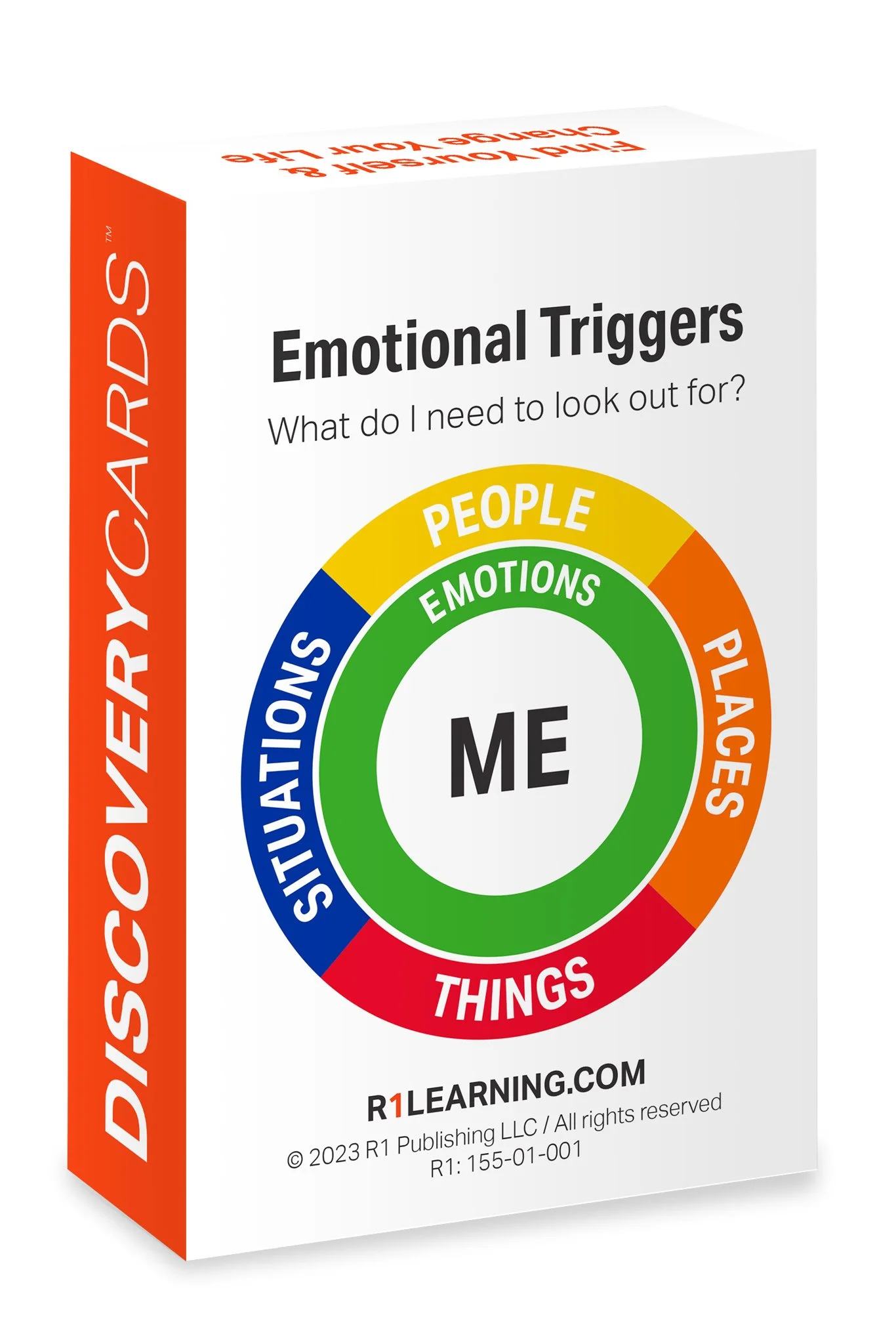
Focus: Builds emotional activation awareness (stimuli and triggers).
Discovery Cards include:
6 Overview Cards
4 Activity Cards
5 Definition Cards
40 Sorting (Triggers) Cards
10 Emotions Cards
65 Total Cards
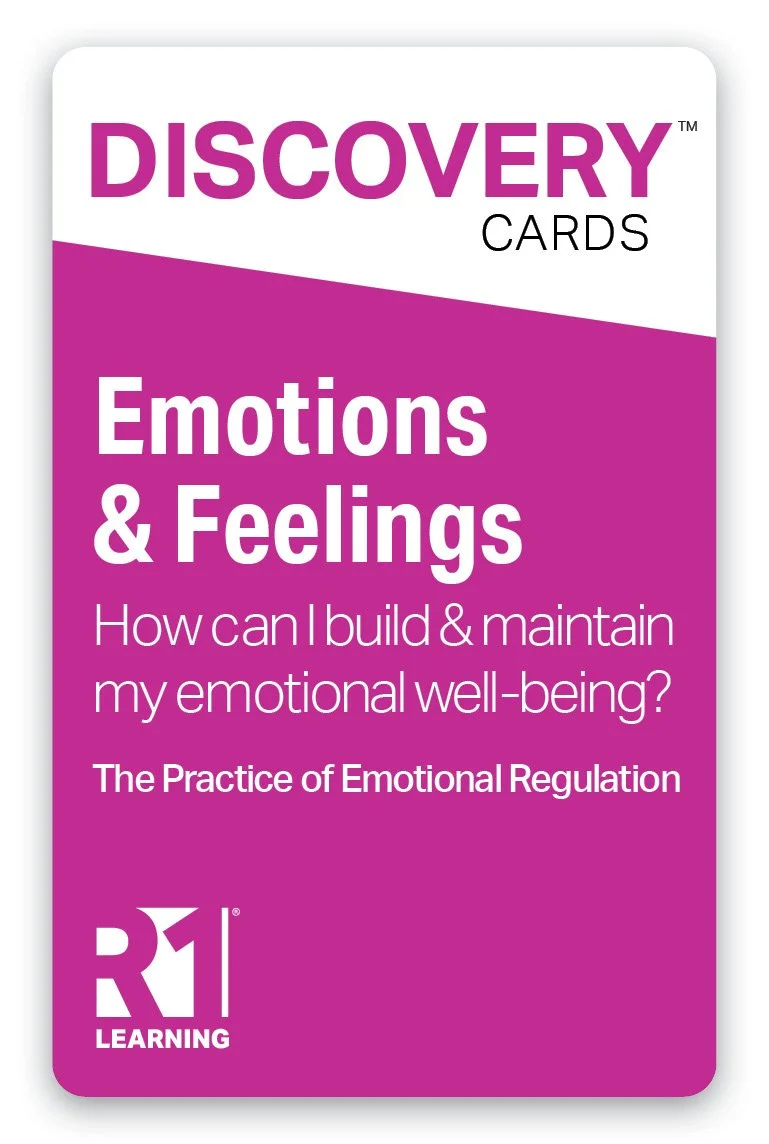
2. Emotions & Feelings—How do I recognize, name, and express my emotions?
Build emotional vocabulary and awareness to name, understand, and respond effectively to emotions and feelings.
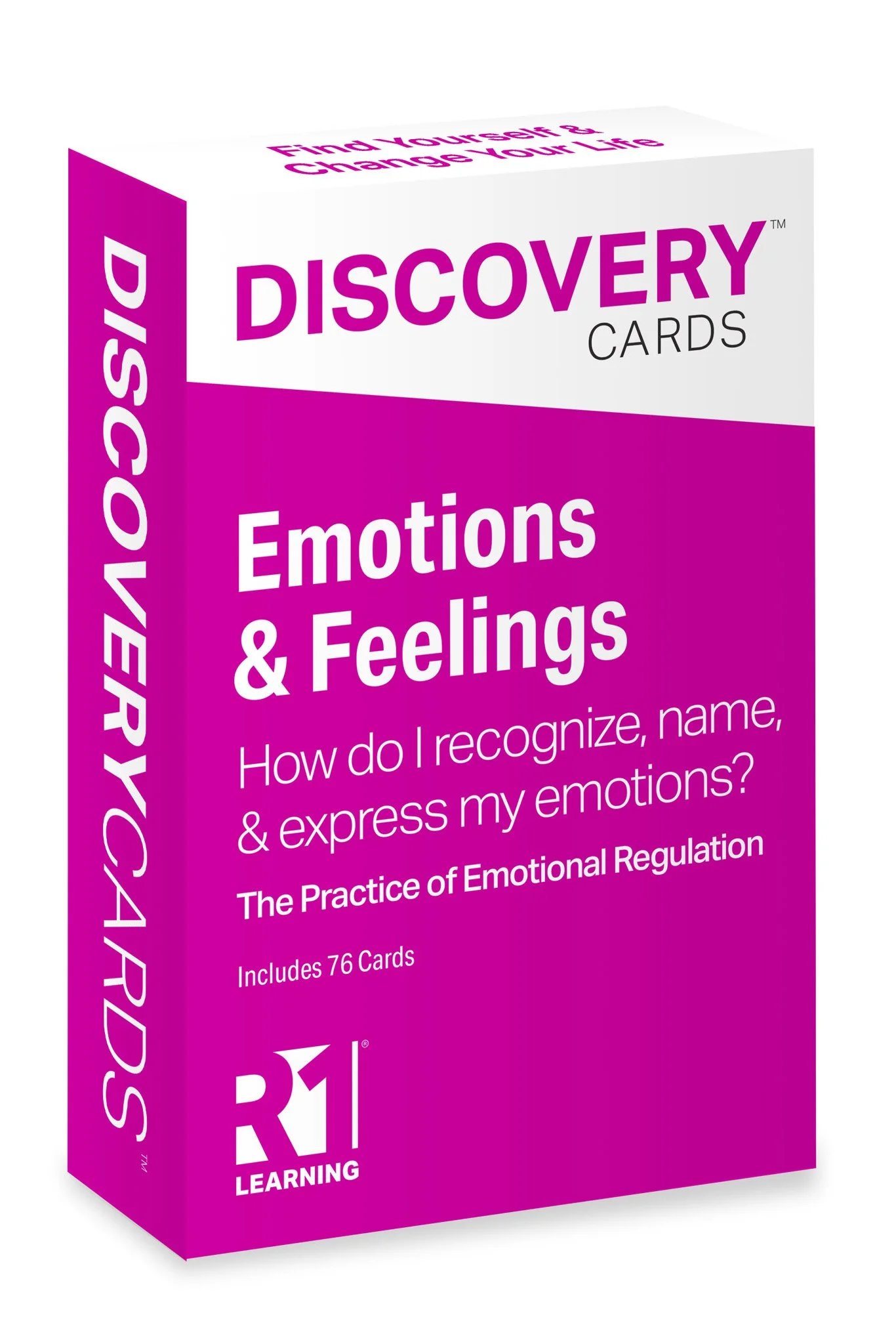
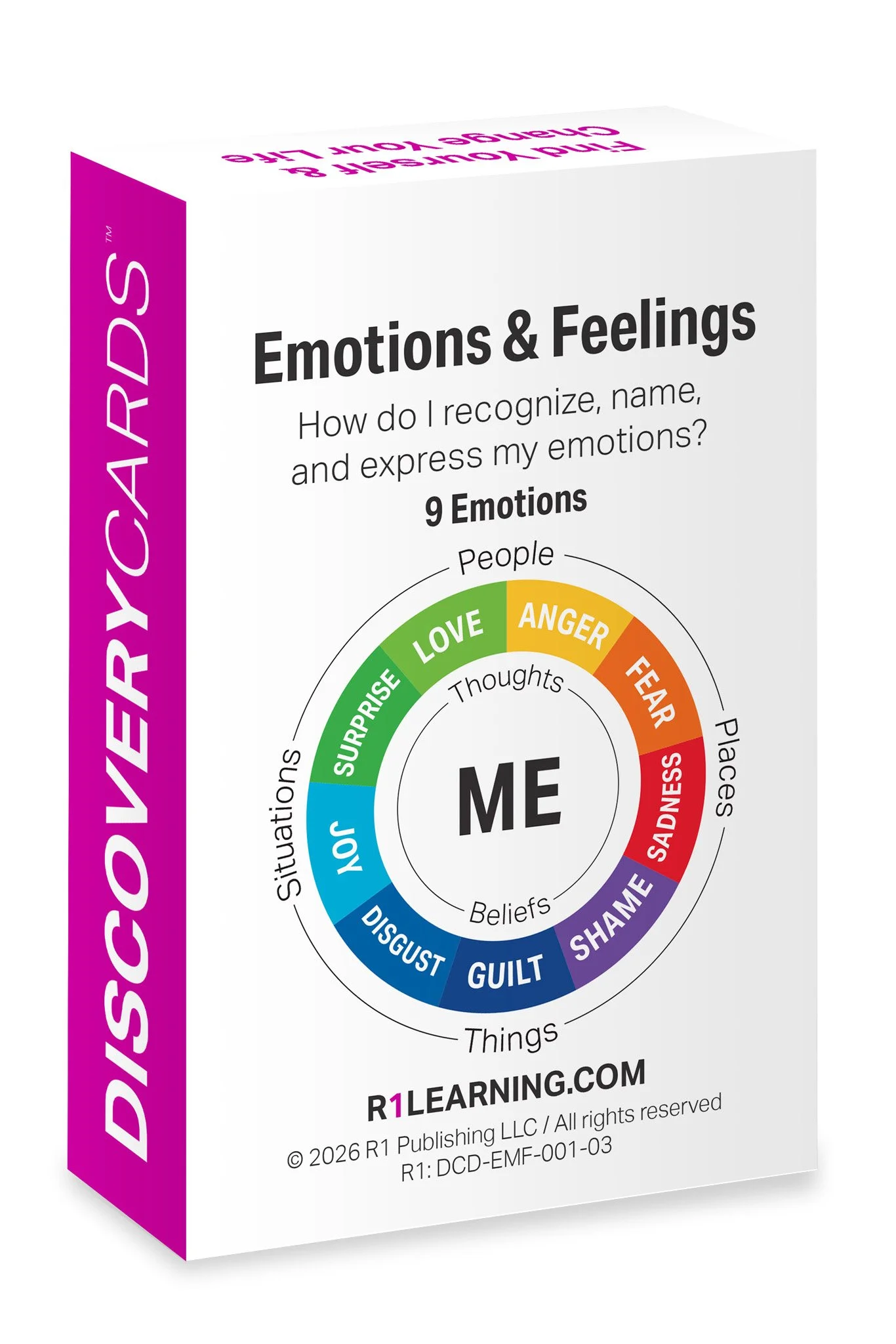
Focus: Builds basic emotions and feelings literacy.
Discovery Cards include:
6 Overview Cards
5 Activity Cards
9 Emotions Definition Cards
45 Sorting (Emotions & Feelings) Cards
11 Emotional Regulation Practices Cards
76 Total Cards
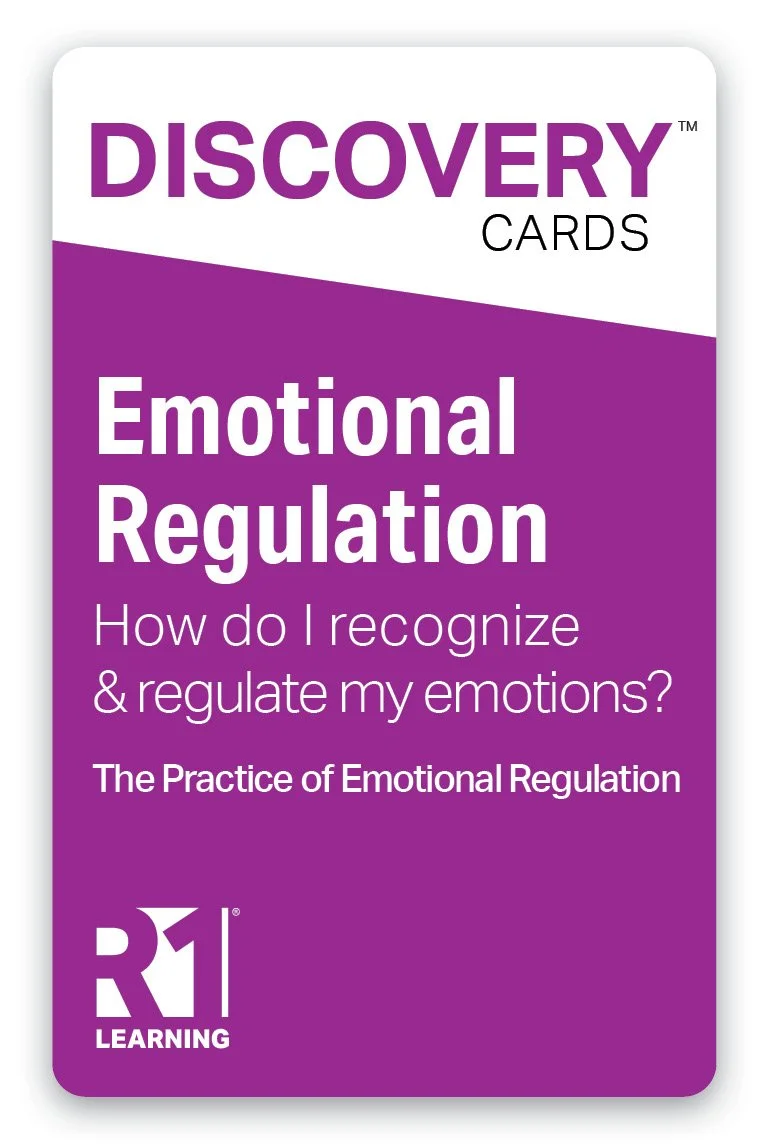
3. Emotional Regulation—How do I recognize & regulate my emotions?
Learn a practical approach for recognizing and regulating emotions.
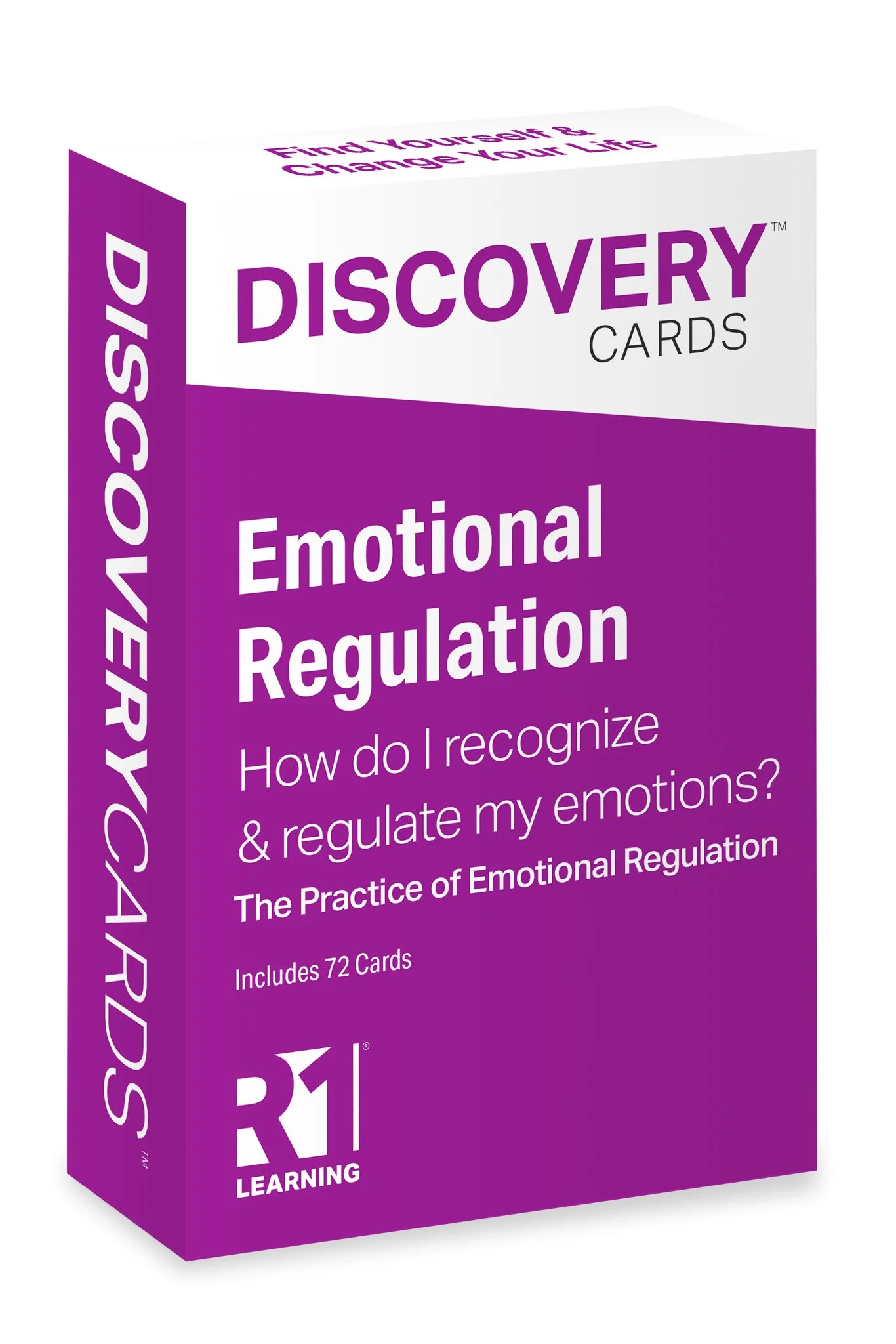
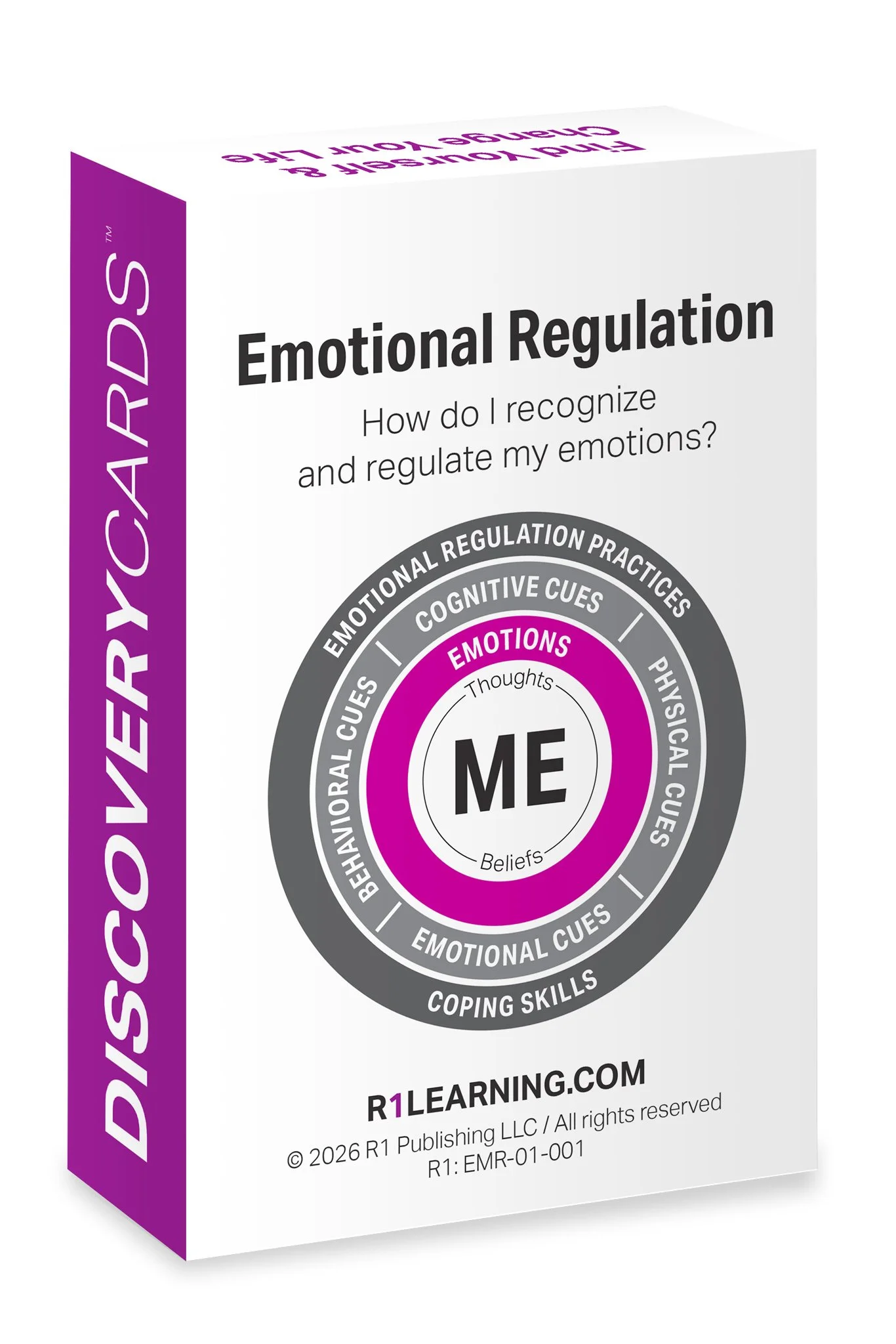
Focus: Builds emotional awareness and regulation strategies.
Discovery Cards include:
6 Overview Cards
7 Activity Cards
4 Cue Cards
10 Emotions Definition Cards
11 Emotional Regulation Practices Cards
4 Emotional Awareness Definition Cards
30 Emotional Awareness Practices Sorting Cards76 Total Cards
76 Total Cards
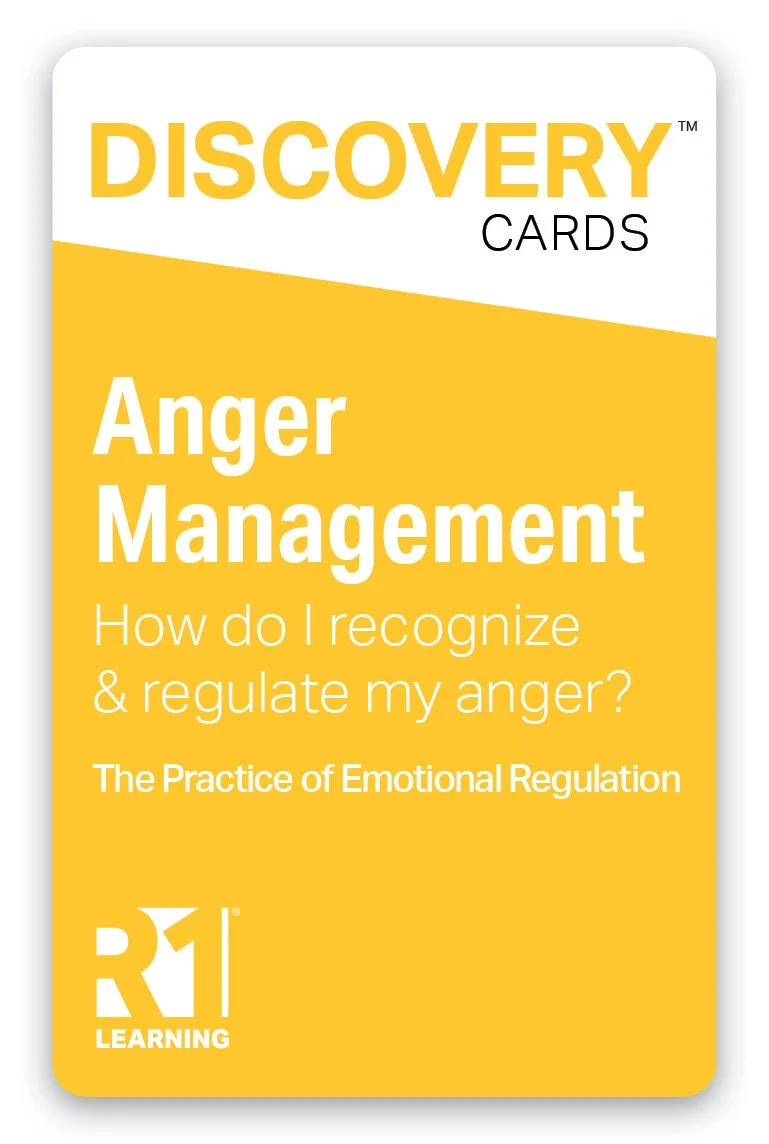
4. Anger Management—How do I recognize & regulate my anger?
Learn a practical approach for recognizing and regulating anger.
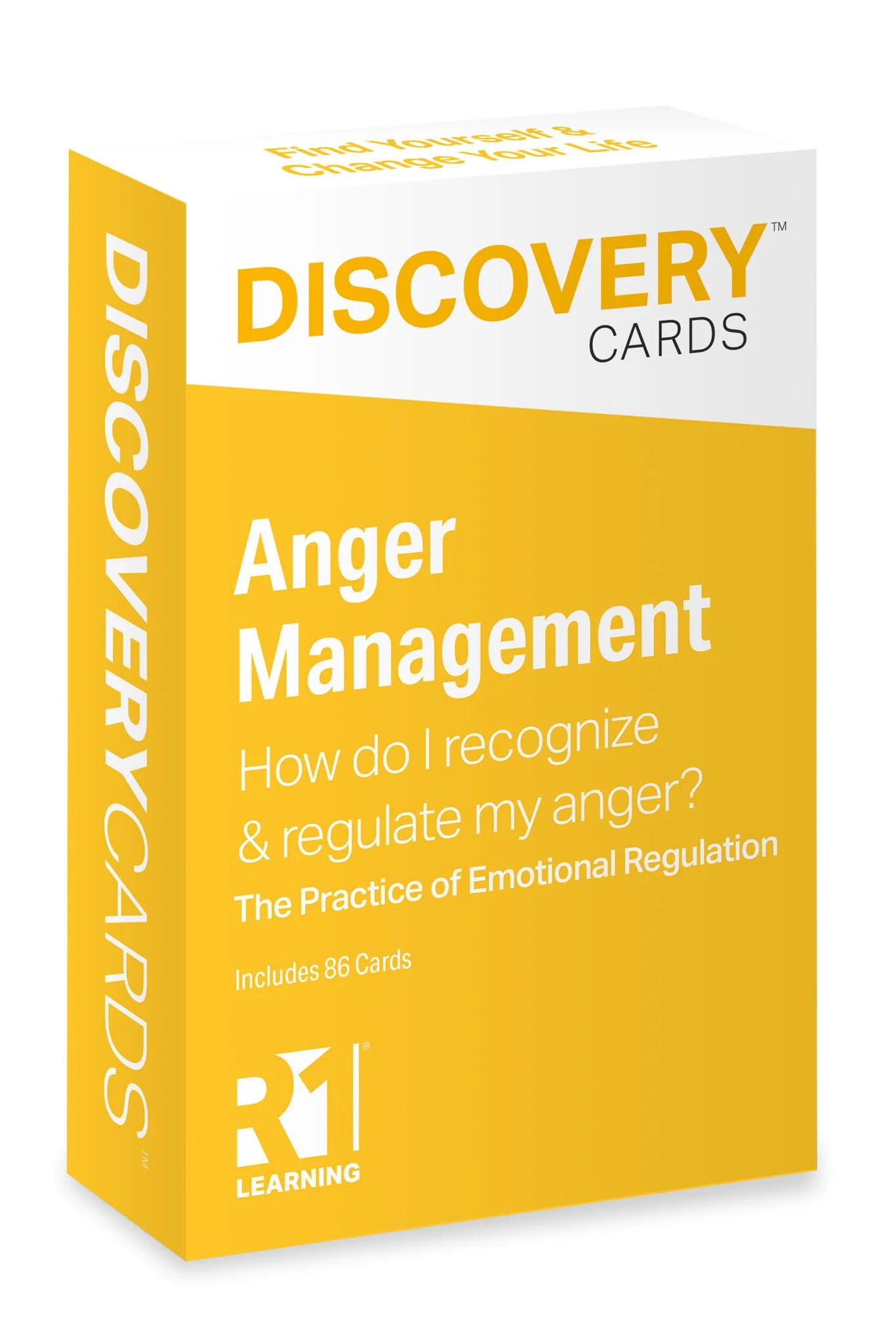
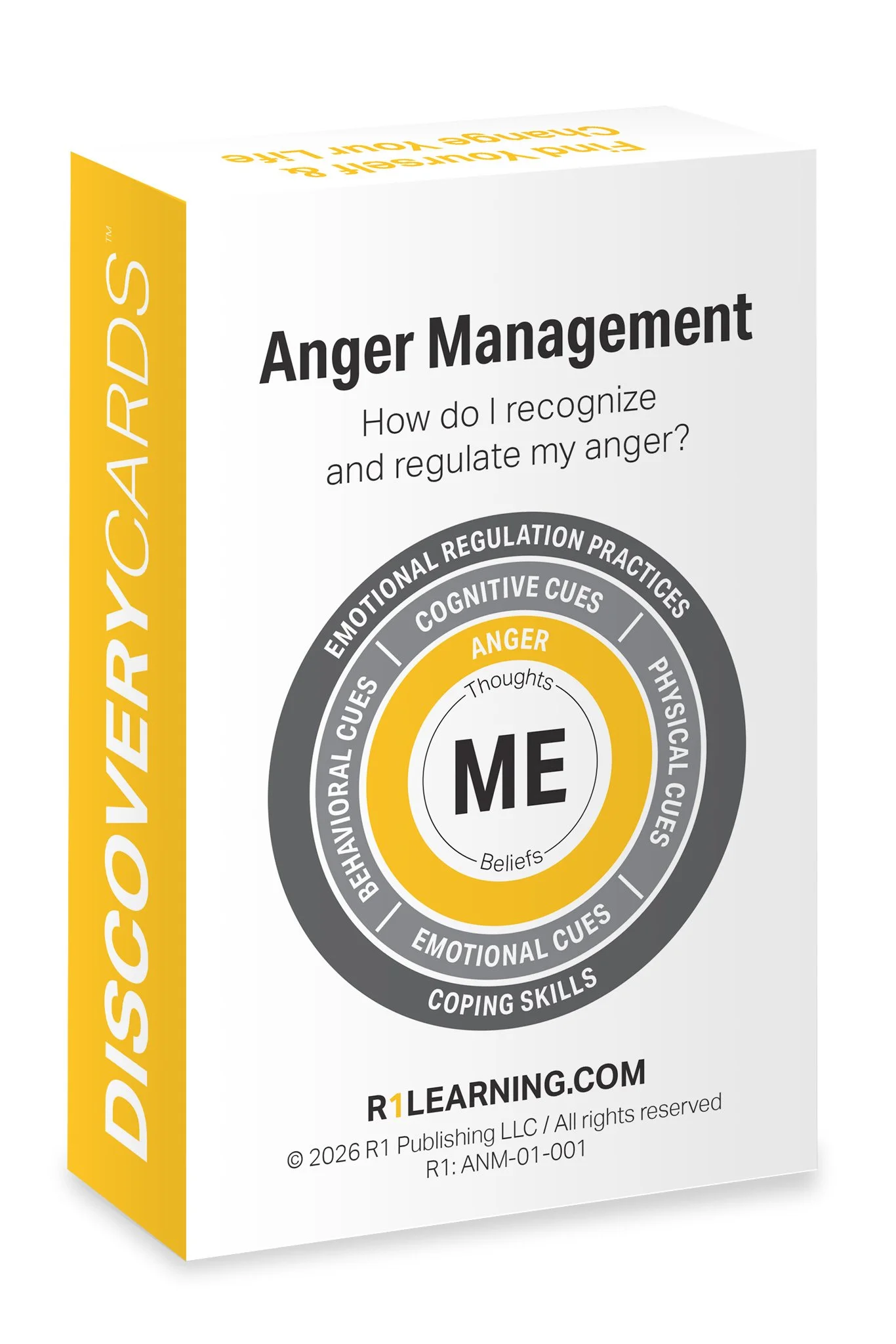
Focus: Builds anger awareness and emotional regulation strategies.
Discovery Cards include:
6 Overview Cards
7 Activity Cards
4 Cue Cards
10 Emotions Definition Cards
15 Anger Cards
11 Emotional Regulation Practices Cards
4 Emotional Awareness Definition Cards
30 Emotional Awareness Practices Sorting Cards
87 Total Cards
5. Grief & Loss—How do I experience grief & be resilient?
Explore common grief states and coping responses, with resilience practices to help you survive and thrive through loss.
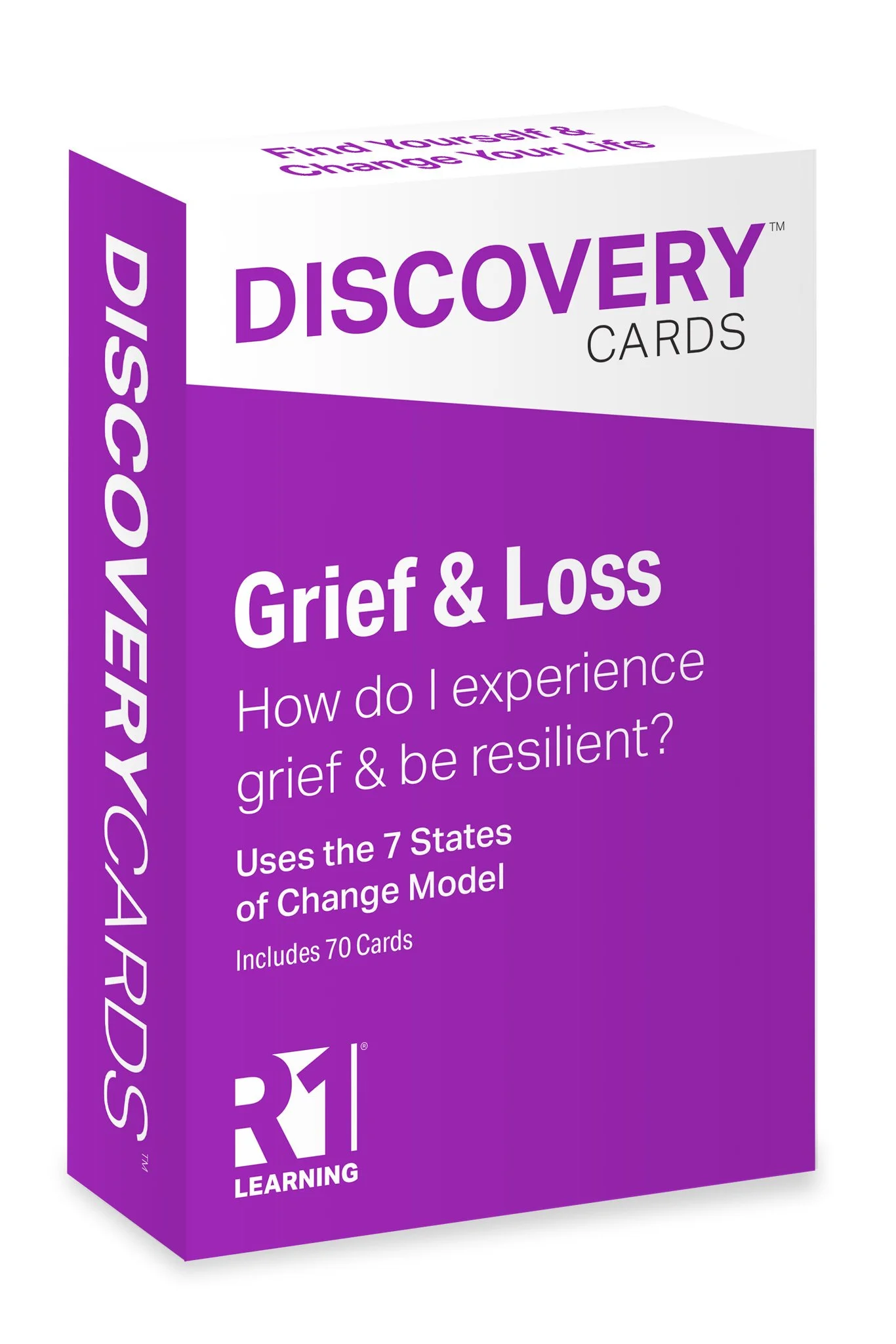
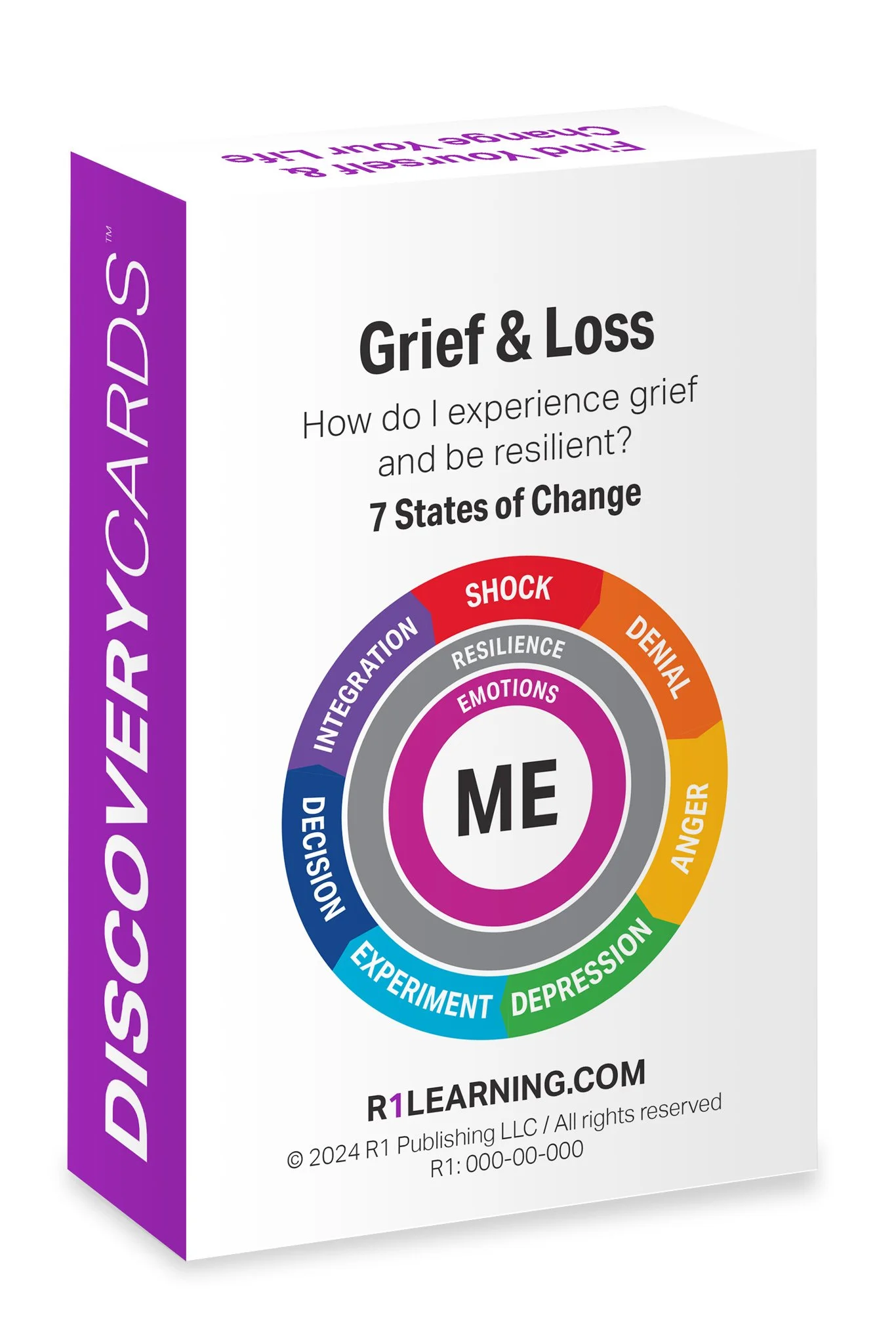
Focus: Builds grief awareness and resilience strategies.
Discovery Cards include:
6 Overview Cards
5 Activity Cards
7 Definition Cards
35 Sorting Cards
10 Emotions Definition Cards
8 Resilience Cards
71 Total Cards
6. Defense Mechanisms—How do I protect my Self?
Identify the defense mechanisms that protect us from discomfort and emotional stress.
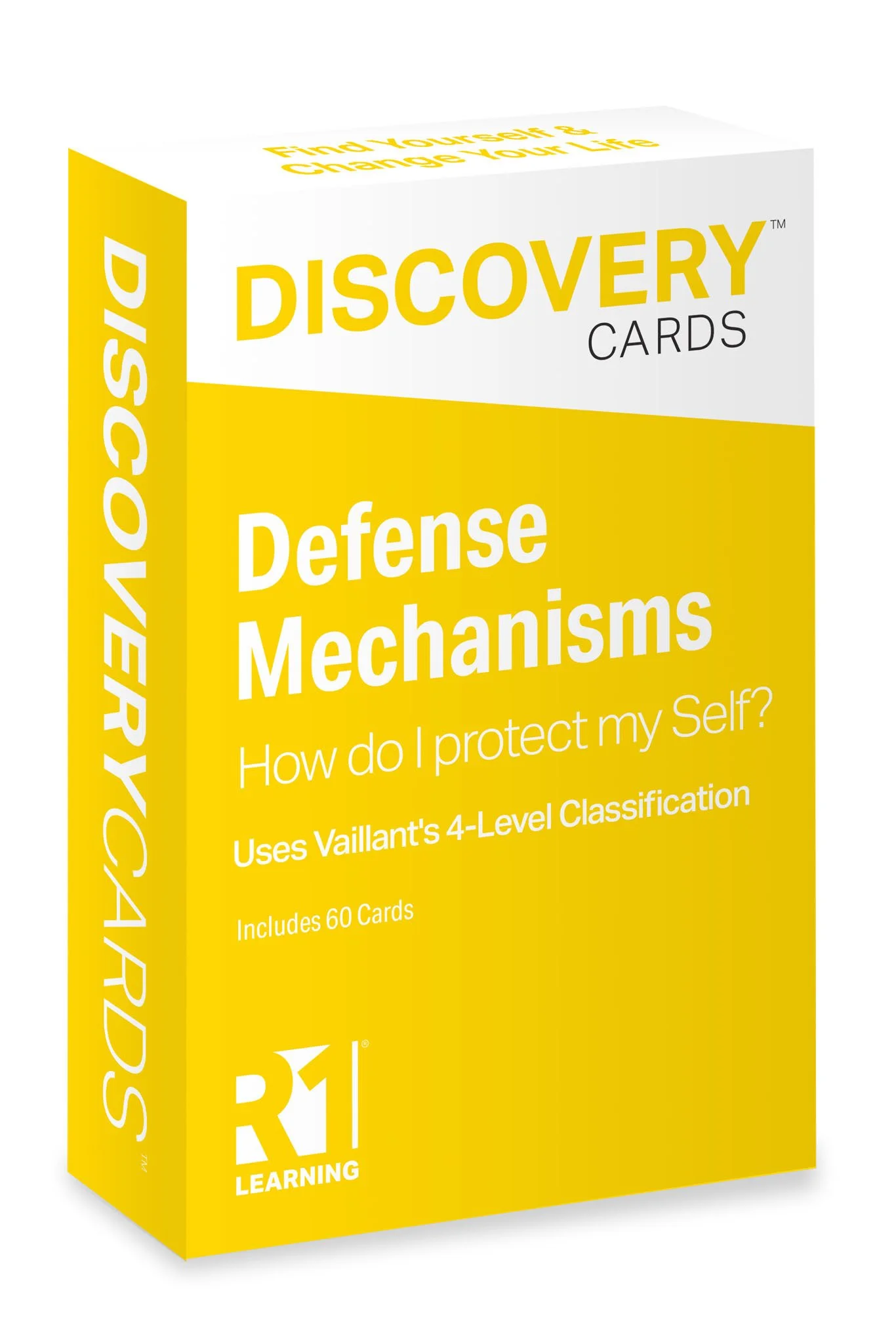
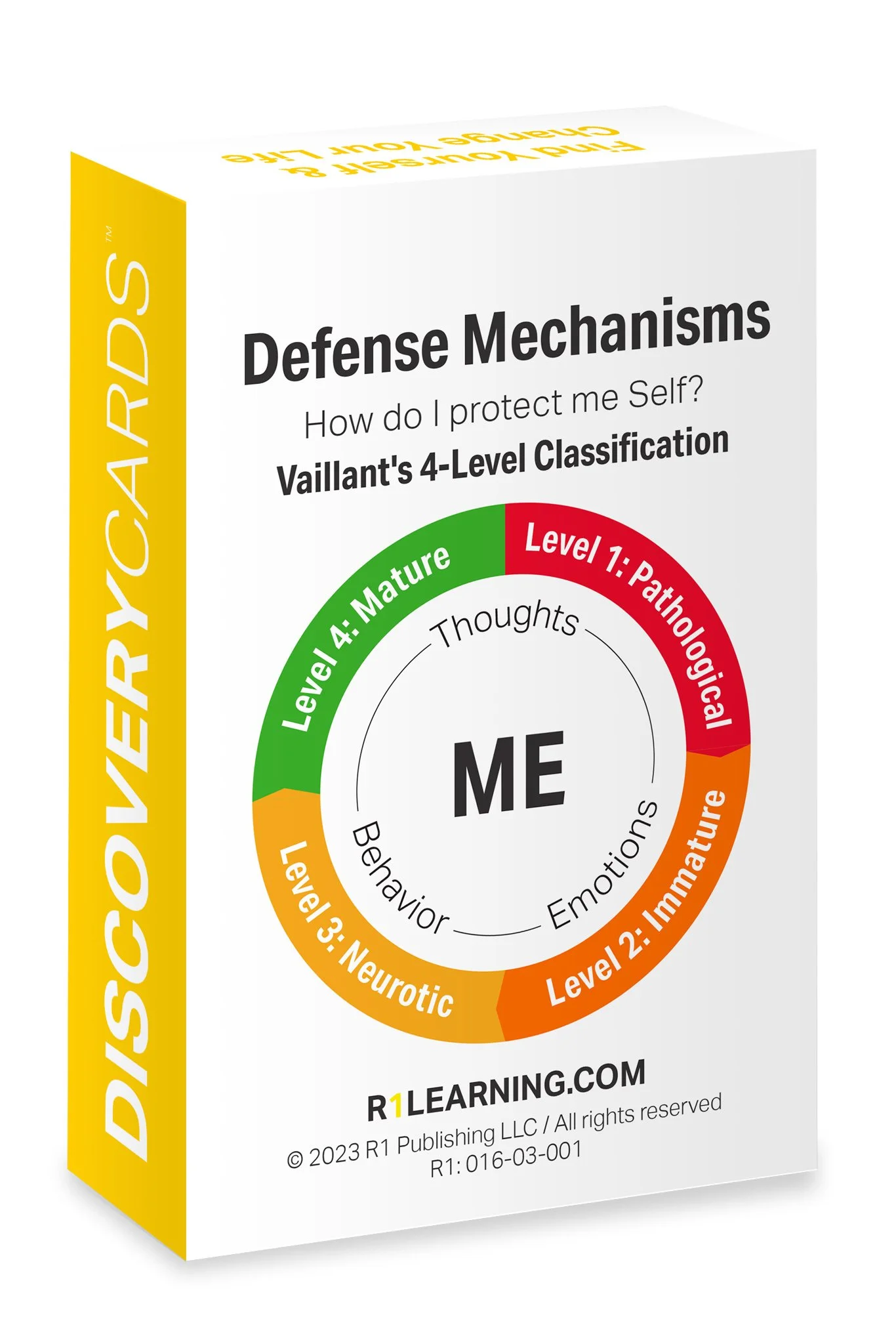
Focus: Builds defense mechanisms literacy and knowledge.
Discovery Cards include:
6 Overview Cards
5 Activity Cards
4 Definition Cards
45 Sorting Cards (Defense Mechanisms)
60 Total Cards
Questions to Explore
Answer these questions for yourself or with your team:
What did your find most helpful about this post? Explain.
Which of the list of fifteen (15) programs does your organization deliver?
How do you currently build emotional literacy for the participants in your program(s)?
Which of the six (6) Discovery Cards decks will add the most value to your program? Or are there multiple topics that resonate with you? Explain.
Which modality will be best for your population and settings… digital, hands-on, or both? Explain.
What is your major learning or takeaway from this post?
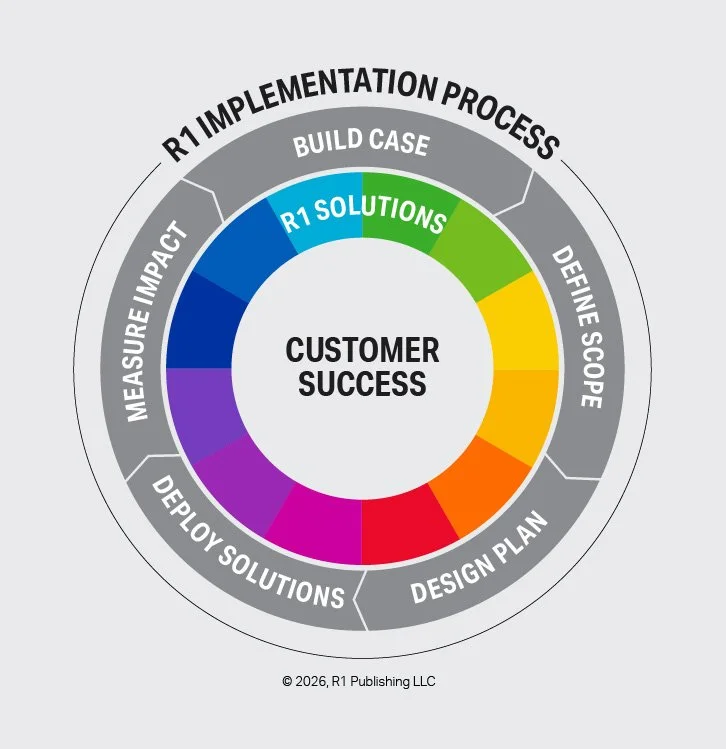
R1 Resource that Support the R1 Implementation Process
Copyright 2026 R1 Learning LLC / All Rights Reserved. Use of this article for any purpose is prohibited without permission.
Here are a few ideas to help you learn more about R1 and engage others on this topic:
Share this blog post with others. (Thank you!)
Start a conversation with your team. Bring this information to your next team meeting or share it with your supervisor. Change starts in conversations. Good luck! Let us know how it goes.
Visit R1LEARNING.com to learn more about R1, the Discovery Cards, and how we’re creating engaging learning experiences through self-discovery.