The R1 Discover Vision — Imagine What We See
R1’s purpose is to build an interactive curriculum service that will impact individuals, their families, equip deeply caring and compassionate practitioners in the workforce, and change lives. We also set off to build tools to learn from more quickly and easily. We asserted at the start in July of 2017 that it was impossible.
Read More
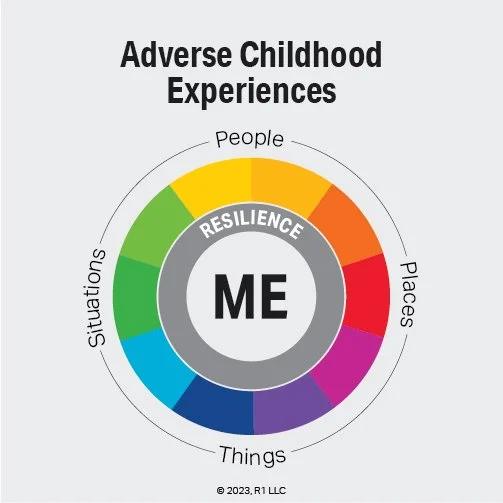
10 Adverse Childhood Experiences (ACEs) — How Does My Childhood Affect Me Now?
"What happened?" "How do my childhood experiences effect me now?" are questions for individuals to explore in order to identify traumatic experiences and get help. The experiences one has during childhood (within the first 18 years of life) impacts
Read More
Curriculum Accessibility — How Does Your Program Stack Up?
For individuals and communities to benefit from a curriculum it needs to be both impactful and accessible. Even with the world's best curriculum, its efficacy diminishes if not accessible to everyone. Discover how we're prioritizing accessibility to maximize impact for every individual in the community.
Read More
9 Substance Classes — What Are The Symptoms of Harmful Use?
Substances are all around us in society. Some are marketed and distributed by some of the most profitable companies in the world (Pfizer, Johnson & Johnson, Roche for prescribed pharmaceuticals, Starbucks and other coffee franchises for caffeine, Phillip Morris and Altria…
Read More
5 Dimensions of Recovery Capital — Do I Know the Basics?
Recovery Capital refers to the internal and external resources necessary to achieve and sustain recovery. The Recovery Capital Model recognizes that a variety of dimensions — personal capital, social capital, community capital, emotional support, commitment to sobriety, and well-being — can support or jeopardize recovery depending on how individuals use their capital.
Read More
10 Emotional Regulation Practices — Which Coping Skills Work Best For Me?
Emotional coping skills are the topic of today’s post and important tools individuals learn on the path of health and wellness. Emotional wellness is central to most evidence-based practices and psychological models including Cognitive Behavioral Therapy (CBT), Dialectical Behavioral Therapy (DBT),
Read More
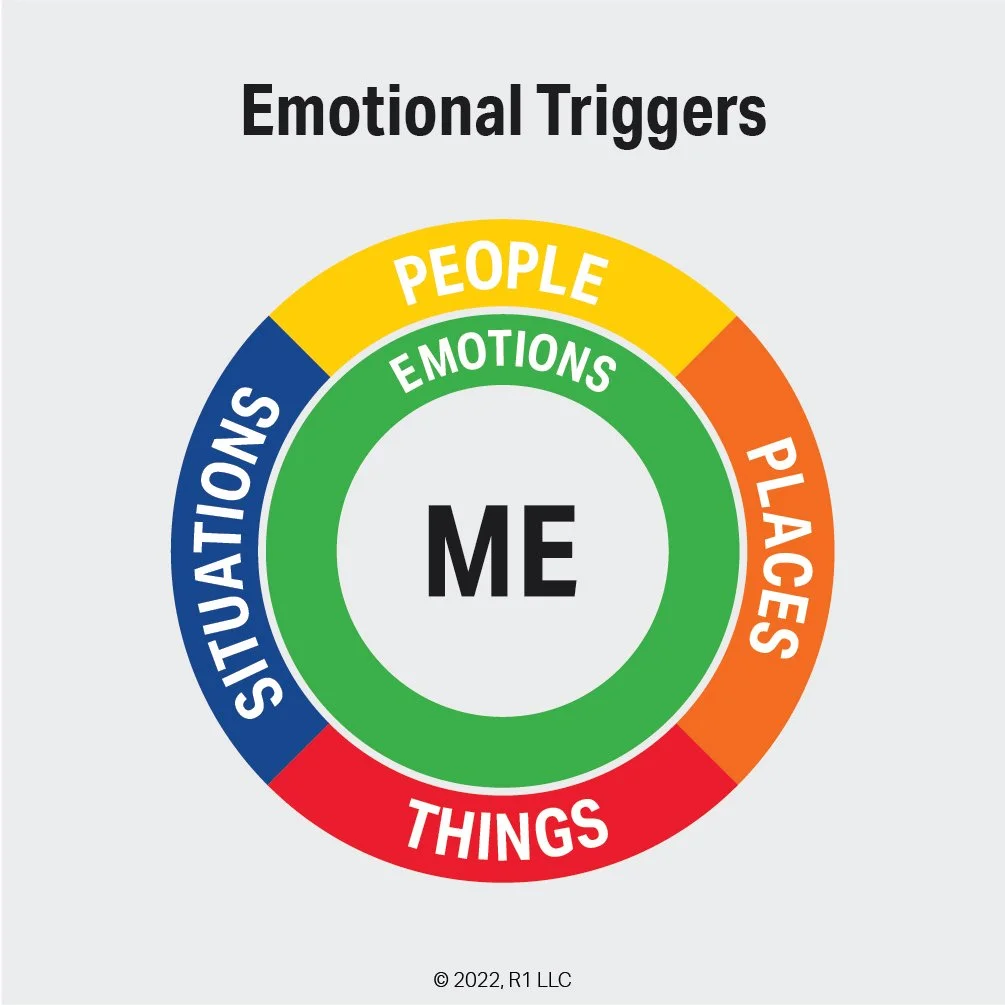
Emotional Triggers — What Activates My Physiology and Moves Me to Behavior?
Helping individuals think about their past experiences to identify environmental triggers is central to preventing other mental health conditions such as anxiety or depression. Our model highlights four types of environmental triggers — people, places, things, and situations.
Read More
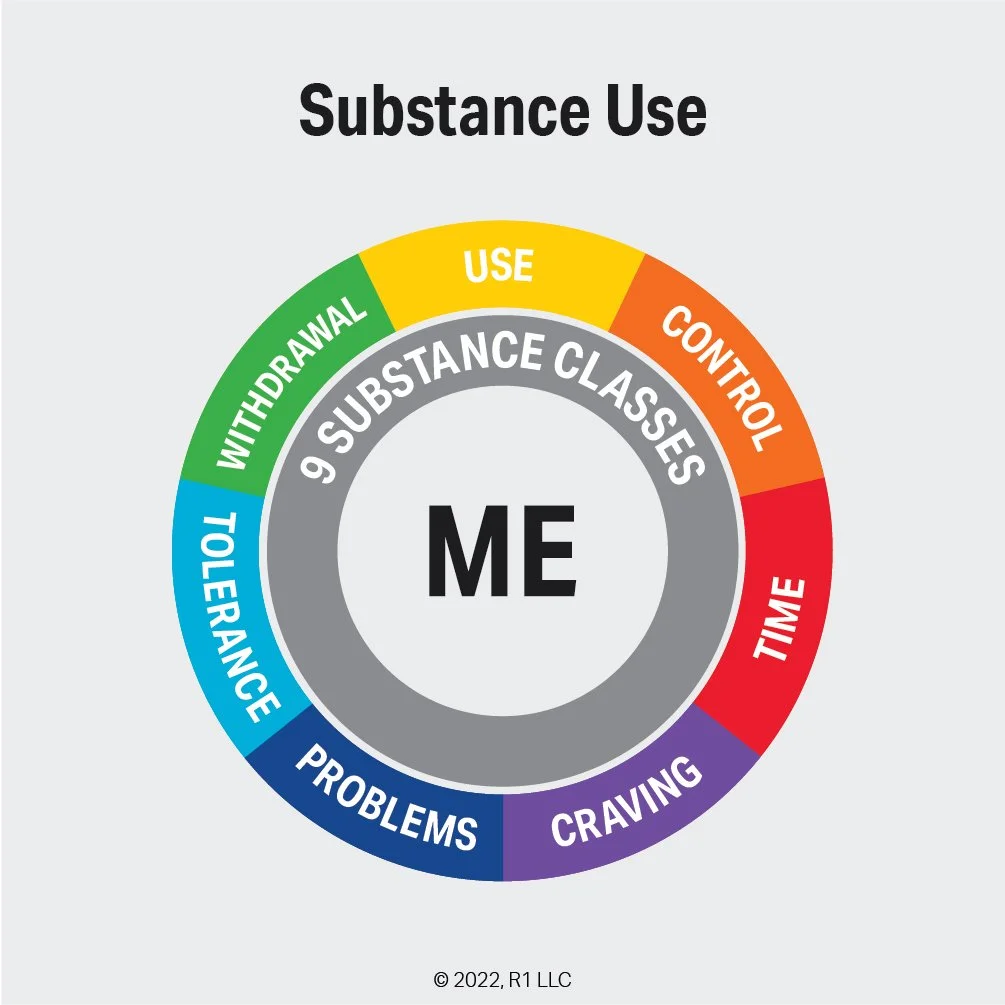
Substance Use — 11 Symptoms for Observing the Biological, Psychological, and Social Patterns of the Disorder
Substance use is on the rise and impacting individuals, families, and communities world-wide. Hundreds of millions of individuals use substances in some fashion with over three million people dying from substance related use globally. The use of physical or mind-altering substances
Read More
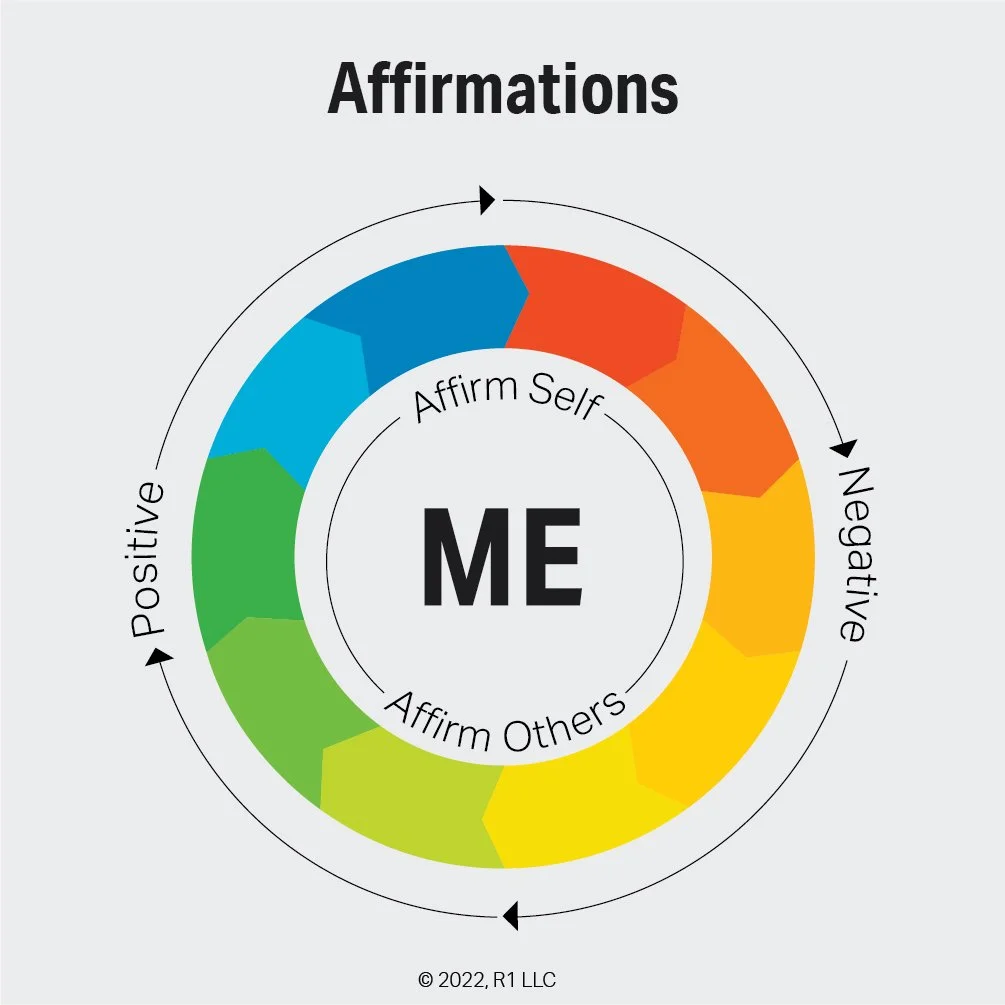
Affirmations — 5 Practices for Building Internal Strength
Building new positive stories and beliefs about oneself takes practice. Frequent and consistent re-connection with core values, new healthy choices and behaviors, and a shift in one’s core beliefs takes time..The more we practice and incorporate these new beliefs into our daily routines and mindset, the more we will achieve their benefits.
Read More
9 Classroom Structures — Which Engage Your Learners Most?
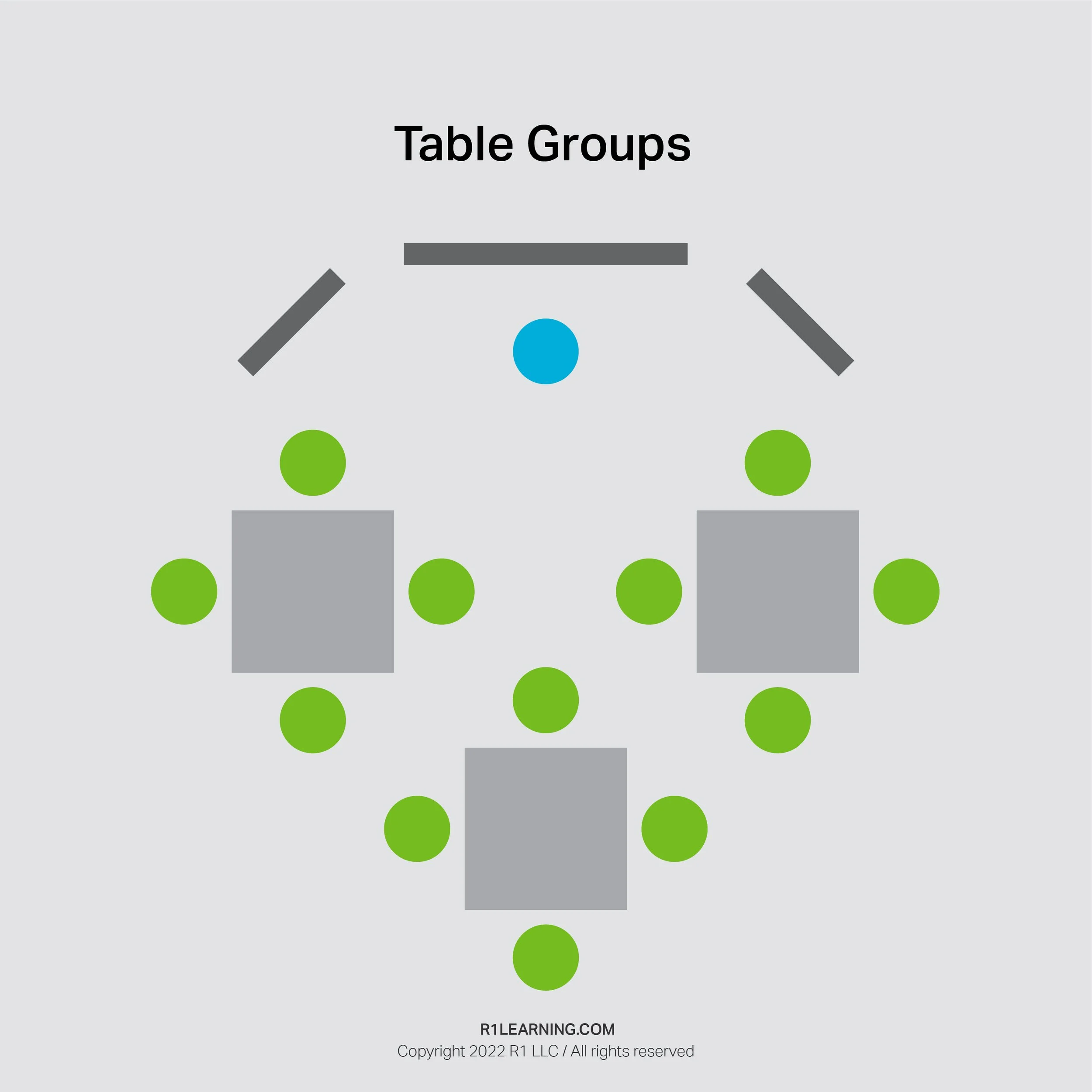
How does structure impact one’s learning experience? is one of the major questions we’ve been shining a light on since R1 Learning’s inception. There is little for me to tell you in this post. The main point is your observation of the 9 structures below and your own experiences either being in one (being one of the green dots) or facilitating one (being one of the blue dots). Each has a primary purpose. Each has pros and cons. Structure has a way of placing emphasis on the blue dot in relation to the green dots. As you observe the 9 configurations, which ones
Read More
10 Processes of Change — Do I Know What Drives the 5 Stages?
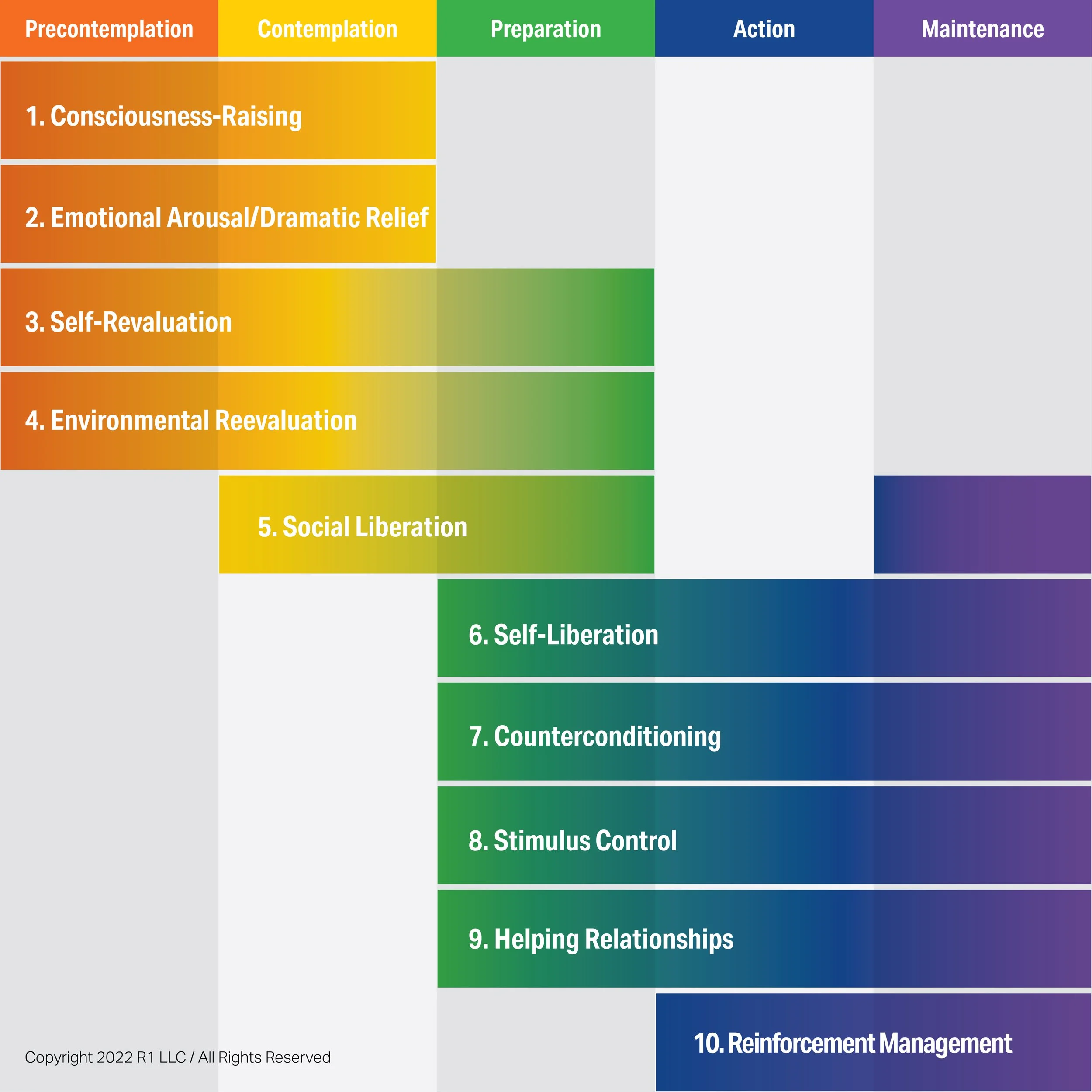
While the Stages of Change are useful in explaining when changes in cognition, emotion, and behavior occur, the Processes of Change help to explain how those changes occur. These ten processes, which are highlighted in the table and defined below, can enable individuals to successfully progress through the Stages of Change when they attempt to modify problem behaviors and attain desired behavior change.
Read More
8 Dimensions of the Schwartz Values Wheel
The Schwartz Values Wheel is a highly researched model developed by Dr. Shalom Schwartz while examining over 80 cultures around the world. The model defines 8 Values Dimensions, 10 Values Types, and fifty-seven (57) unique motivational values.
Read More
5 Boundary Management Practices — Do I Know the Fundamentals for Building Healthy Boundaries?
The struggles of boundary management touches all individuals in the world, not just individuals dealing with substance use or other mental health conditions. It is a universal challenge and one worth exploring given it’s purpose of being and feeling healthy and safe.
Read More
99 Not Yets — How Can Substance Use Consequences Help Break Contemplative Mindsets?
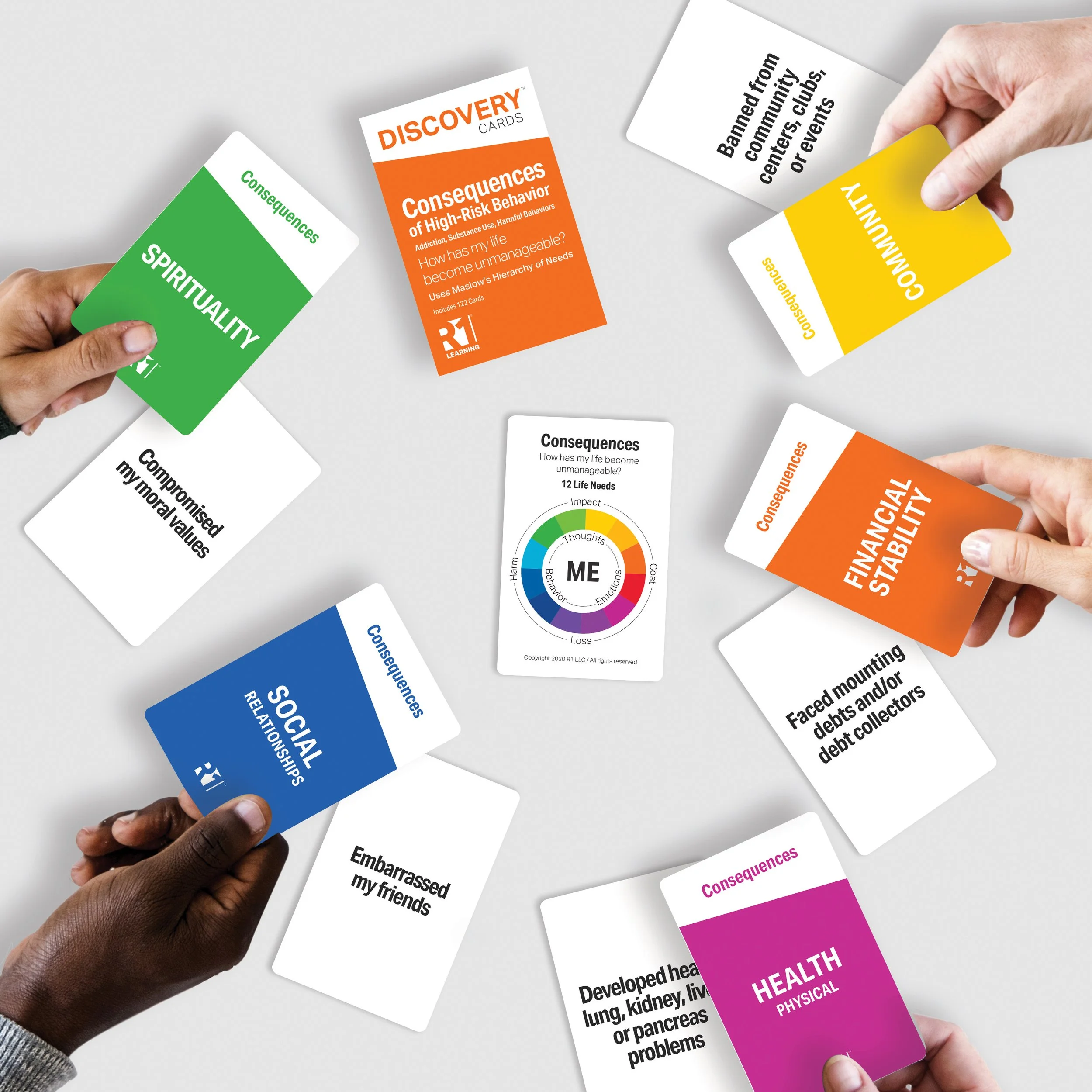
The Consequences of high-risk behavior (addiction, substance use, and other harmful behavior) is staggering. Hundreds of thousands of people die each year from the use of drugs and alcohol. Millions more are affected. Families and communities are ravaged. The cost to businesses is immense with increased sick leave, tardiness, injuries, and loss of productivity. Use of substances has become an international crisis
Read More
10 Substance Use (Relapse) Warning Signs — Am I On A Path Toward Reuse?
Return to substance use (Relapse) is not simply drinking or using drugs after a period of sobriety. The seeds for returning to drinking or using are planted well in advance of the behavior when normalized thinking and feelings start to become distorted…
Read More
How Effective Is Your Curriculum? Explore the 5 Es for Differentiating Your Program
Curriculum design and development is a discipline onto itself. Training and development is an industry with subject matter experts, best practices, and professionals skilled in the craft.
Read More
Engagement — How Do I Create Greater Engagement Using Evidence-Based Practices?
Evidence-based practices deliver greater outcomes for individuals and programs is supported by research. But they can only reach their full potential when people are engaged with learning and utilizing these practices.
Read More
Affirmations — The Practice of Positive Thinking
Building new positive stories and beliefs takes time. They result from the regular, repeated, and consistent re-connection with core values, new healthy choices and behaviors, and a shift in the fundamental thinking that one can achieve through self affirmations.
Read More
6 Career Interest Types — How Do I Engage Individuals About Work and Career Options?
One of the key ingredients for exploring career options and thriving at work is knowing what we love to do — our career interests. This is where passion comes from. When we are engaged in work that is aligned with our natural interests, we are healthier, happier, and contribute more fully.
Read More
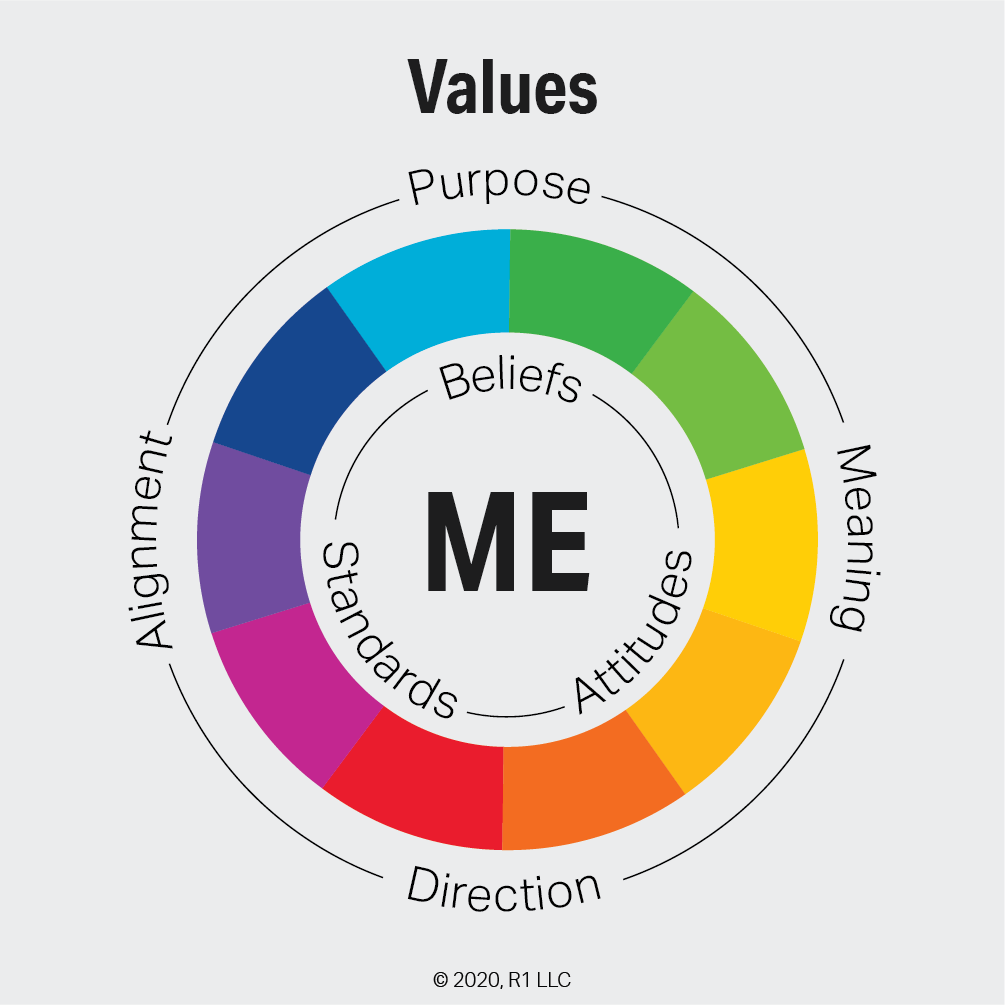
10 Values Types and How They Motivate Behavioral Change
Values provide purpose, meaning, and direction in life. They are the fundamental beliefs, attitudes, and standards that guide and motivate behavior and choices of what is important in life. They are the standards or criteria by which one observes, evaluates, and responds to one’s social environment or settings at any level – the world as a whole, one’s country, city, township, community, workplace, school, family, or social group.
Read More