
Vaping & Smoking—What Are the Symptoms of Harmful Use?
Vaping and smoking continue to be among the most common ways individuals use nicotine around the world. Although cigarette smoking has declined over the past several decades, the rapid growth of e-cigarettes and vaping has created a new public health challenge, especially among adolescents and young adults. Today, more than 1.2 billion people worldwide use tobacco products, and more than 100 million people use e-cigarettes or vape products. While tobacco use has decreased globally, new nicotine products continue to introduce millions of people to nicotine dependence each year.
In the United States, nearly 1 in 10 adults currently smoke cigarettes, while approximately 7% of adults use e-cigarettes. Among youth, vaping has become the most used tobacco product. Although youth vaping rates have declined in recent years, more than 1.4 million middle and high school students still report current e-cigarette use, demonstrating that nicotine use remains a significant concern for young people.
Nicotine is a highly addictive substance that affects the brain, body, and behavior. Whether delivered through cigarettes, cigars, smokeless tobacco, or vaping devices, nicotine can quickly create dependence and make quitting difficult. For adolescents and young adults, whose brains are still developing, nicotine exposure may interfere with attention, learning, memory, mood, and impulse control. Adults who continue to smoke or vape may also experience negative effects on their heart, lungs, physical fitness, and overall health.
While vaping and smoking are most associated with nicotine, they are also used to consume many other substances. Marijuana or cannabis products, methamphetamine, cocaine, inhalants, synthetic cannabinoids, and other drugs may be smoked or vaporized. Using these substances can increase the risk of addiction, impaired judgment, lung damage, heart problems, overdose, and other serious physical and mental health consequences.
Vaping & Smoking Defined
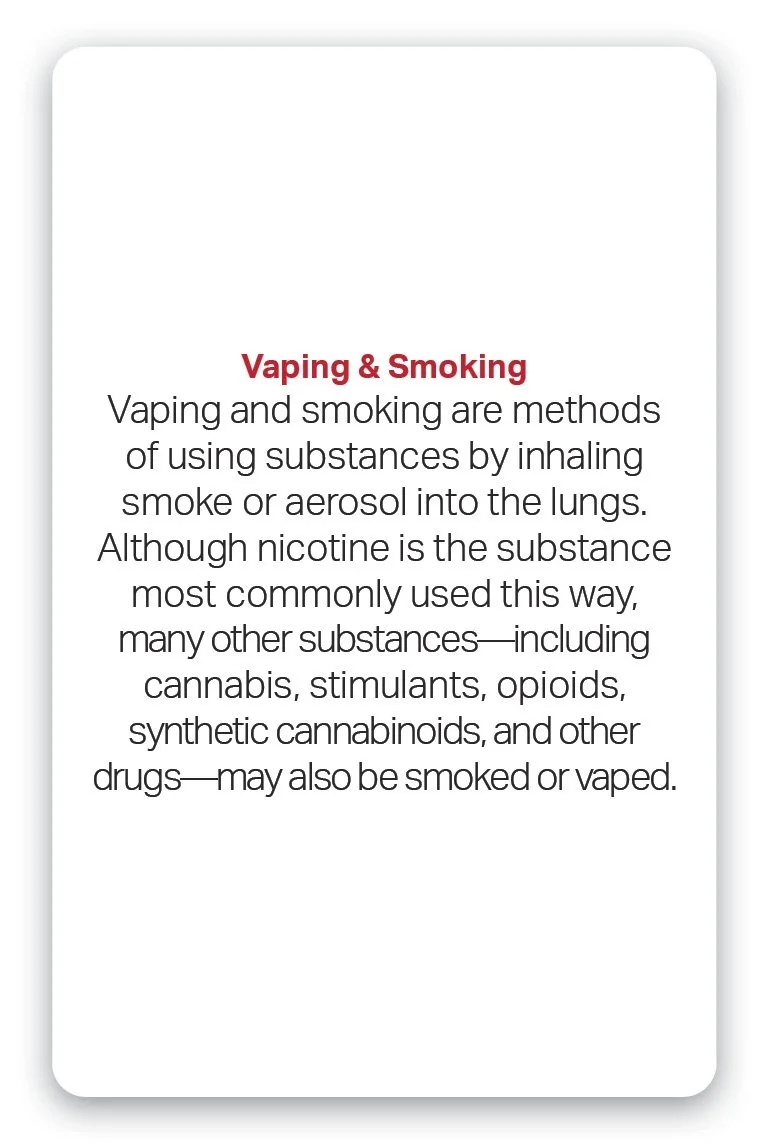
Definition: Vaping and smoking are methods of using substances by inhaling smoke or aerosol into the lungs. Although nicotine is the substance most used this way, many other substances—including cannabis (tetrahydrocannabinol or THC), opioids, stimulants, synthetic cannabinoids, and other drugs—may also be smoked or vaped.
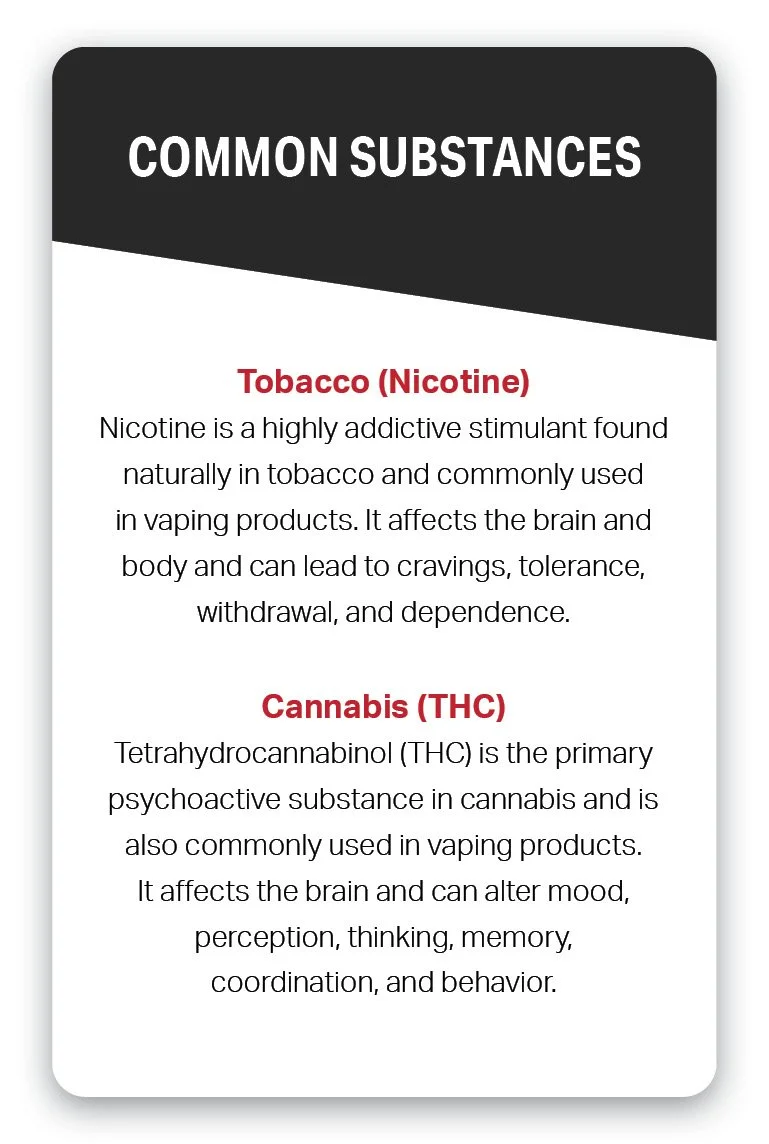
Common Substances—Vaping & Smoking
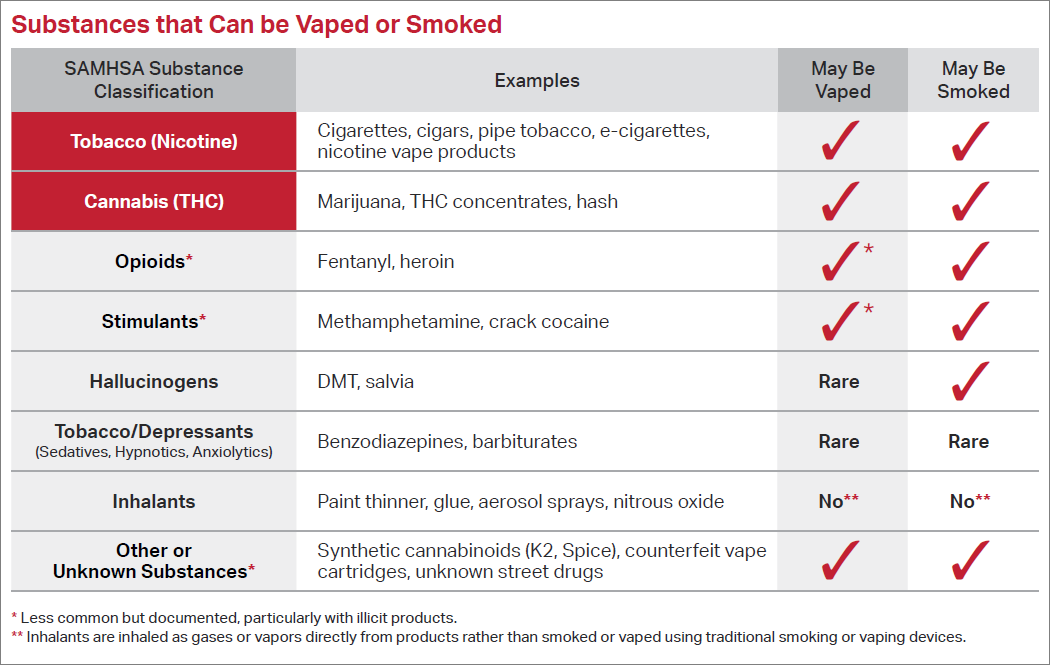
Another growing concern is that some vaping liquids, smokable products, and other street drugs may contain unknown or dangerous substances. Potent opioids such as fentanyl and other toxic contaminants have been found in counterfeit drugs and some illicit drug supplies. Because these substances are often impossible to see, smell, or taste, even a small amount can cause severe poisoning, overdose, or death. Using products obtained from trusted, regulated sources does not eliminate risk, but products from unregulated or illicit sources may carry even greater dangers because their ingredients and strength are unknown.
While smoking and vaping share many risks, they are not identical. Traditional cigarettes expose users to tobacco smoke created by burning tobacco, while e-cigarettes heat a liquid that usually contains nicotine, flavorings, and other chemicals. Although vaping generally exposes users to fewer toxic chemicals than combustible cigarettes, it is not harmless. Researchers continue to study both the short- and long-term health effects of vaping, and evidence shows that it can still damage the lungs, heart, and other organs while maintaining nicotine dependence.
References
U.S. Department of Health and Human Services. (2024). The U.S. Surgeon General’s advisory on nicotine and youth mental health (or the most current Surgeon General advisory/report available). U.S. Department of Health and Human Services. https://www.hhs.gov/surgeon general
Centers for Disease Control and Prevention. (2025). Smoking and tobacco use. https://www.cdc.gov/tobacco
World Health Organization. (2025). Tobacco. https://www.who.int/news-room/fact-sheets/detail/tobacco
American Psychiatric Association. (2022). Diagnostic and statistical manual of mental disorders (5th ed., text rev.; DSM-5-TR). American Psychiatric Association Publishing.
National Institute on Drug Abuse. (2024). Vaping devices (electronic cigarettes). National Institutes of Health. https://nida.nih.gov
Explore R1 Discover—Interactive Engagement Tools

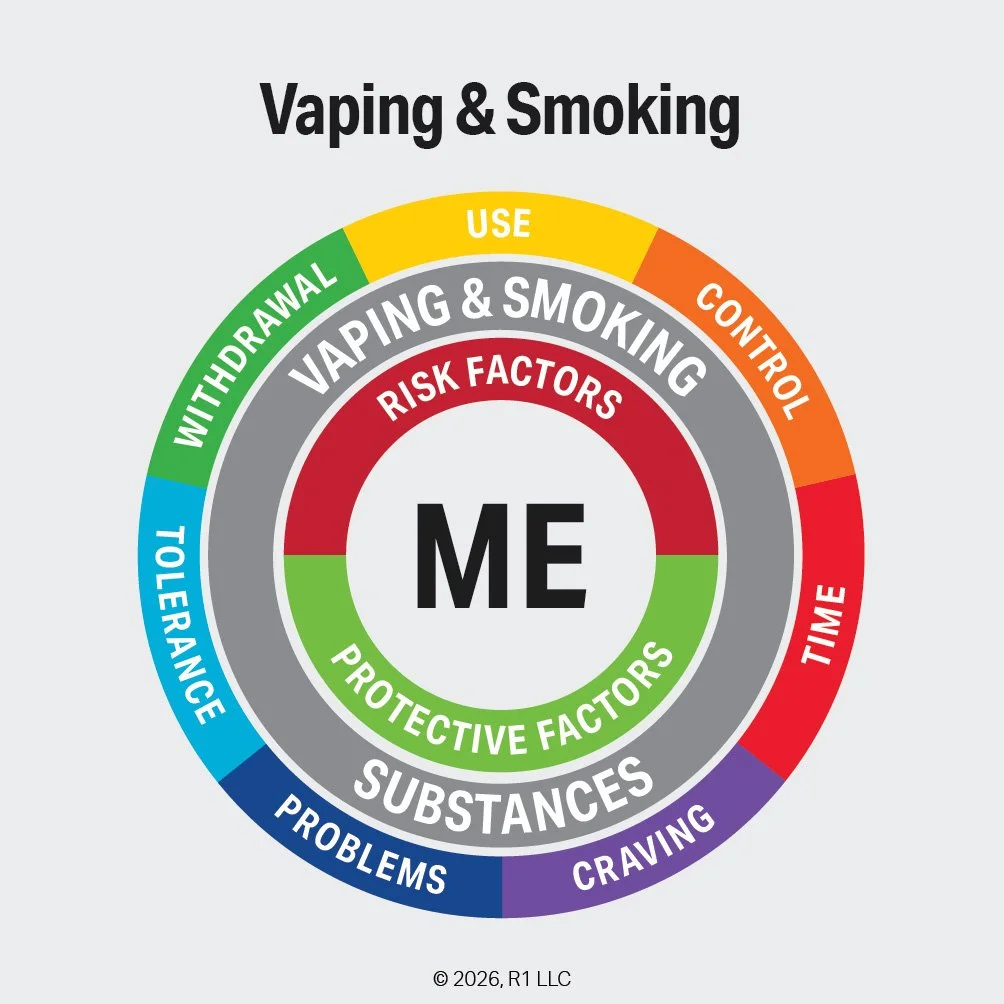
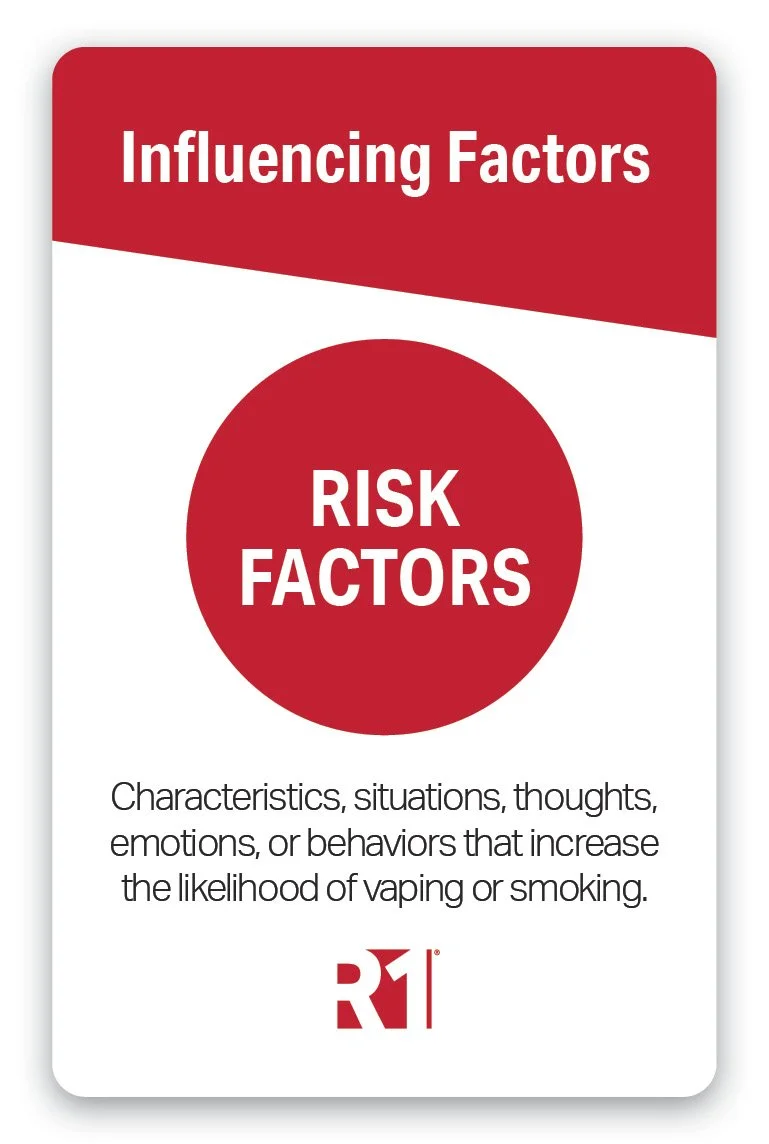
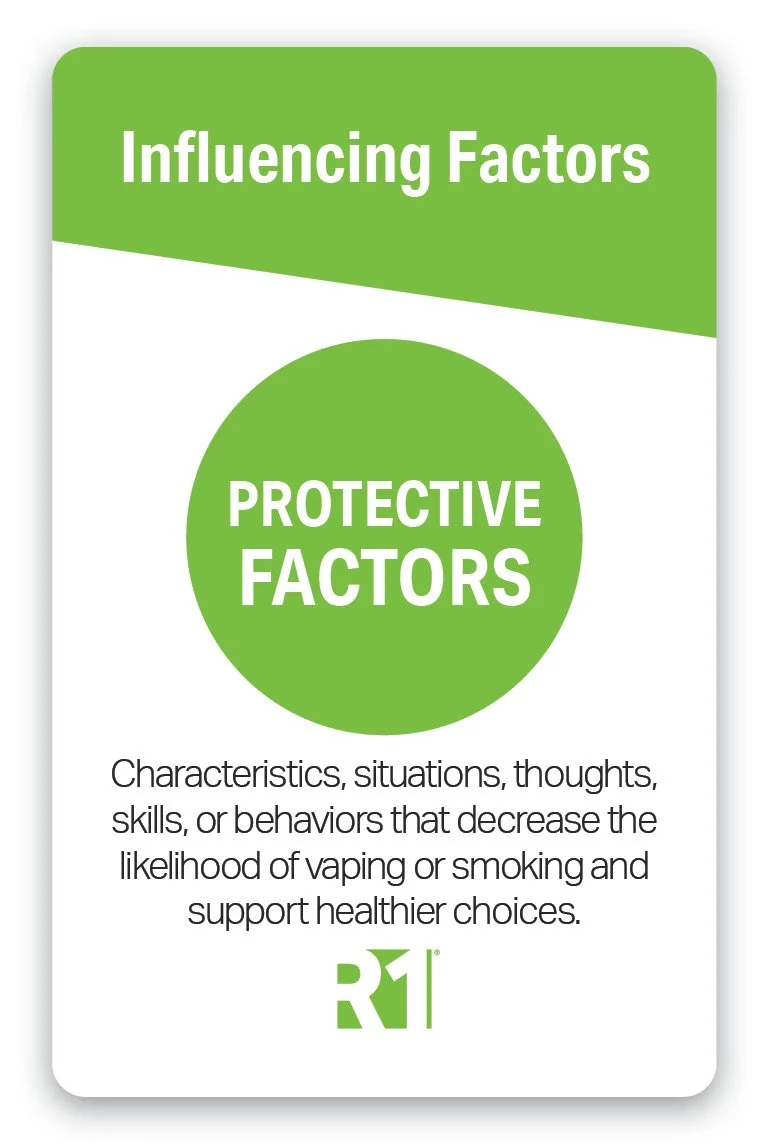
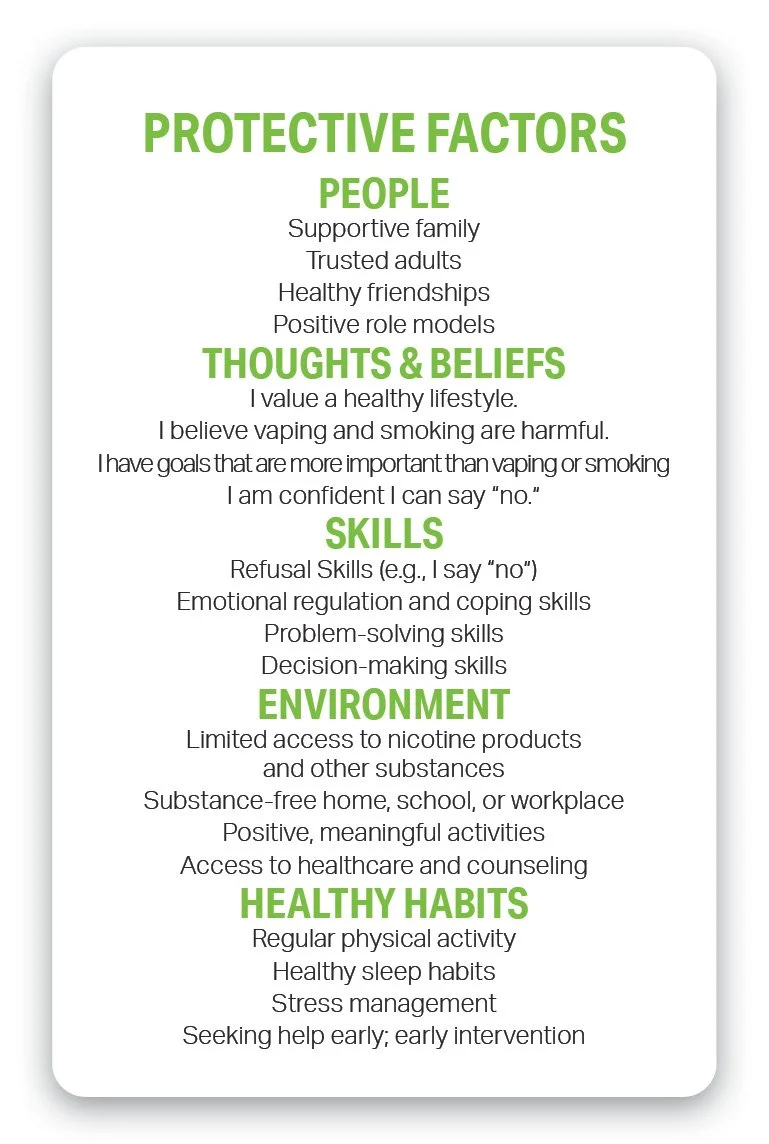
Risk & Protective Factors—What increases my risk or keeps me safe?
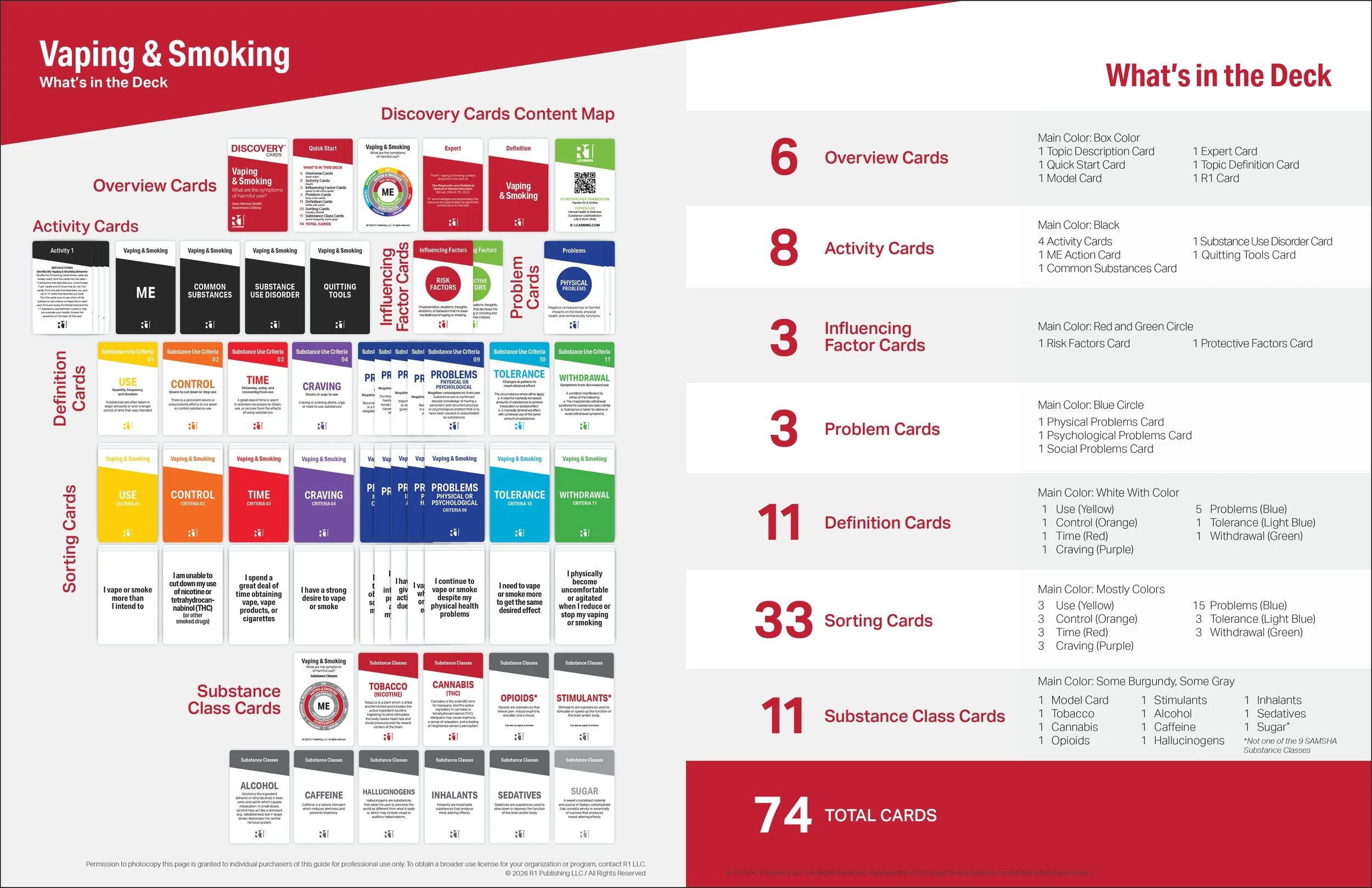
Risk and protective factors are influences that can affect a person’s likelihood of vaping or smoking. Risk factors can increase the likelihood of use, while protective factors can reduce risk and support healthier choices. The Discovery Cards can be used in 1-on-1 or group settings to explore these influences. By observing and evaluating these factors, individuals can identify the risks and protections in their own lives and better understand what influences their choices.
References
Centers for Disease Control and Prevention. (2024). E-cigarette use among youth. U.S. Department of Health and Human Services. https://www.cdc.gov/tobacco/e-cigarettes/youth.html CDC
National Academies of Sciences, Engineering, and Medicine. (2018). Public health consequences of e-cigarettes. The National Academies Press. https://doi.org/10.17226/24952 National Academies
U.S. Department of Health and Human Services. (2016). E-cigarette use among youth and young adults: A report of the Surgeon General. U.S. Department of Health and Human Services, Centers for Disease Control and Prevention,
National Center for Chronic Disease Prevention and Health Promotion, Office on Smoking and Health.
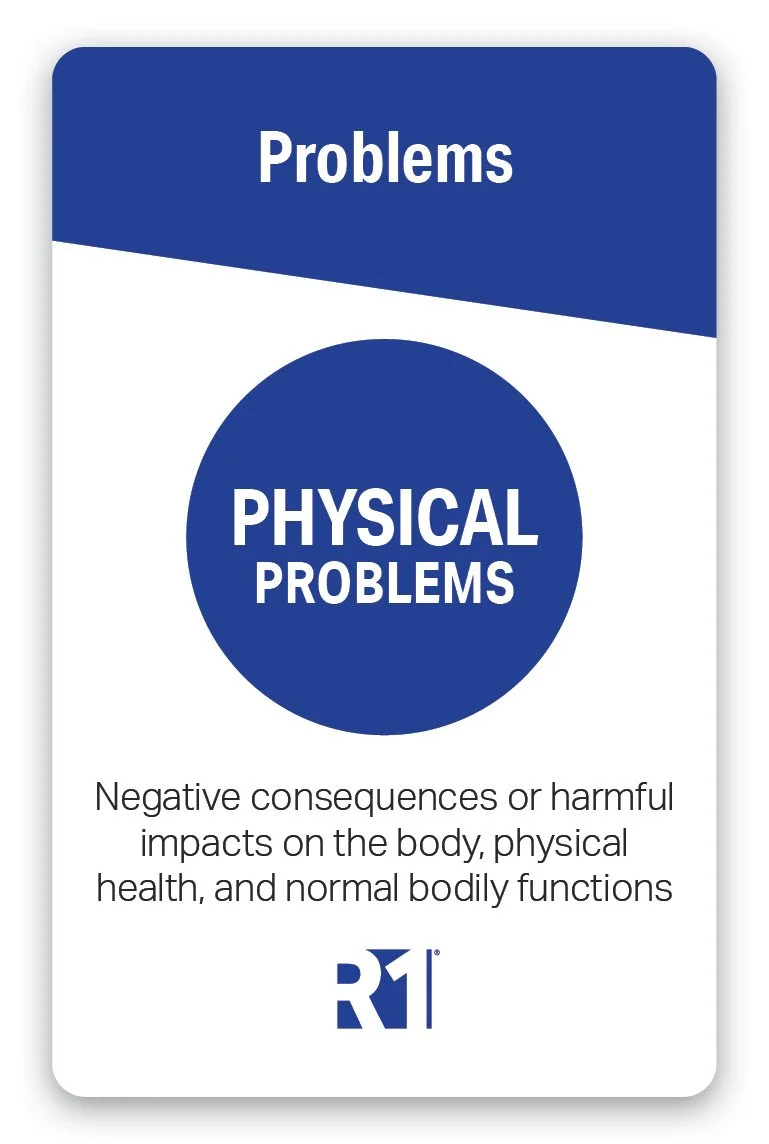
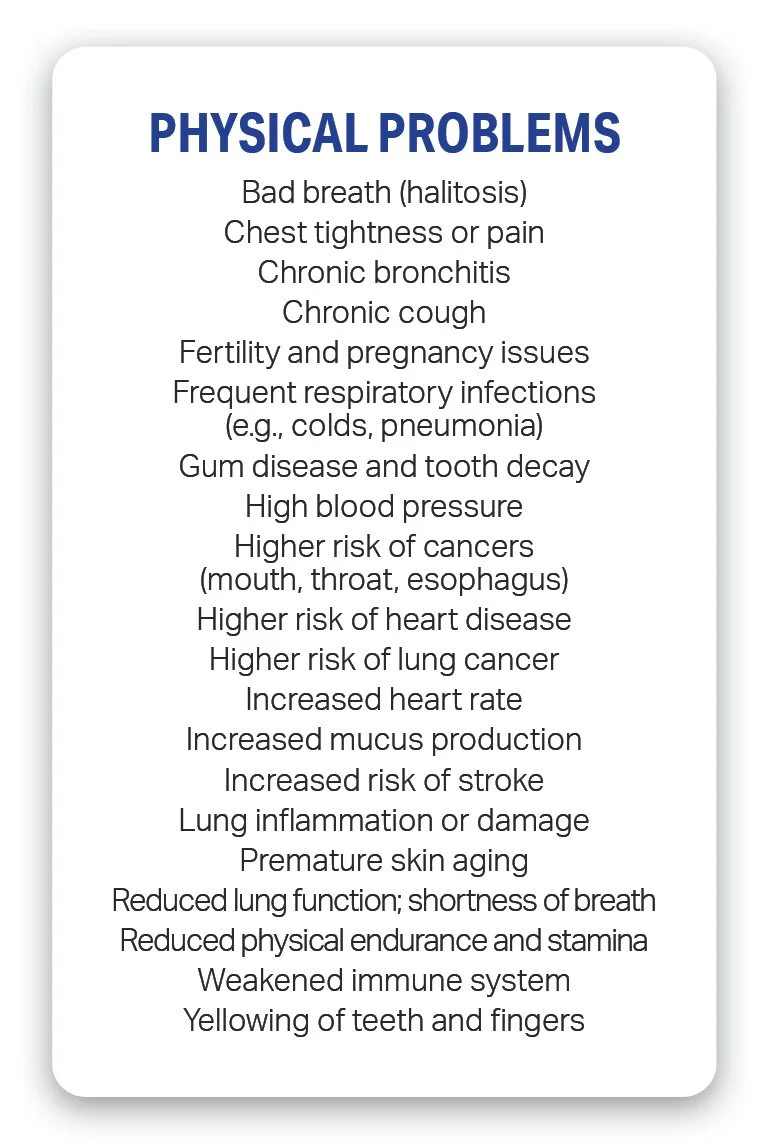
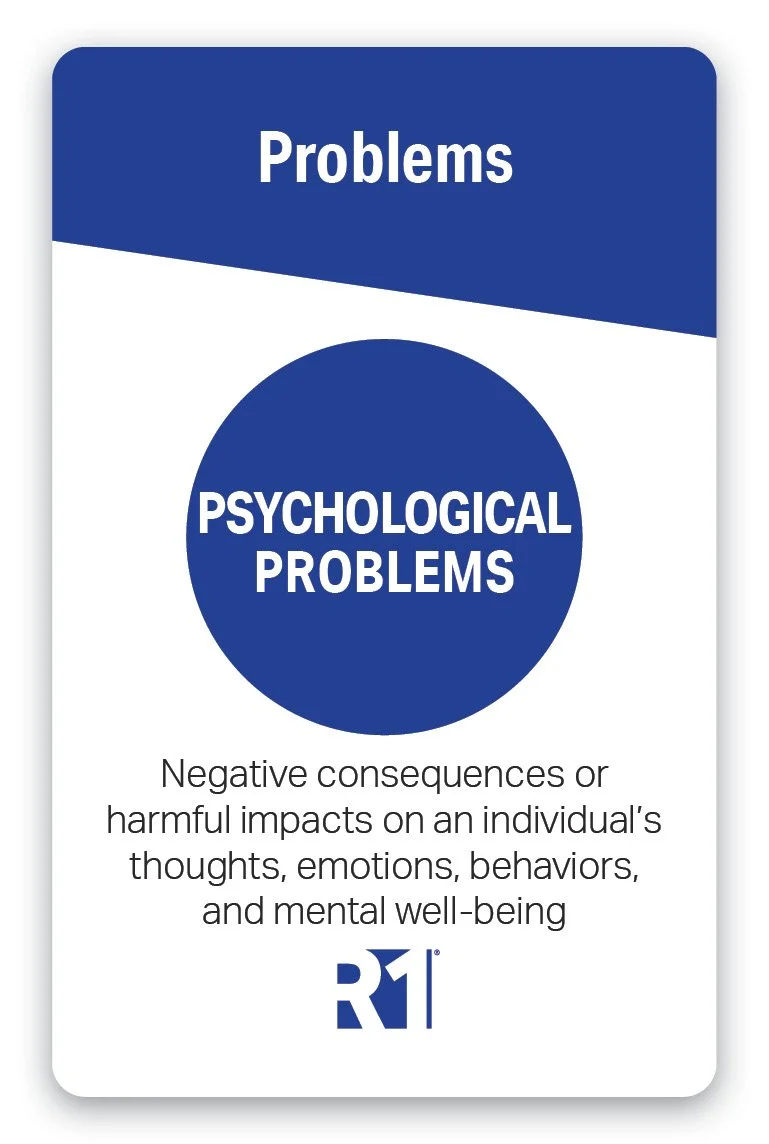
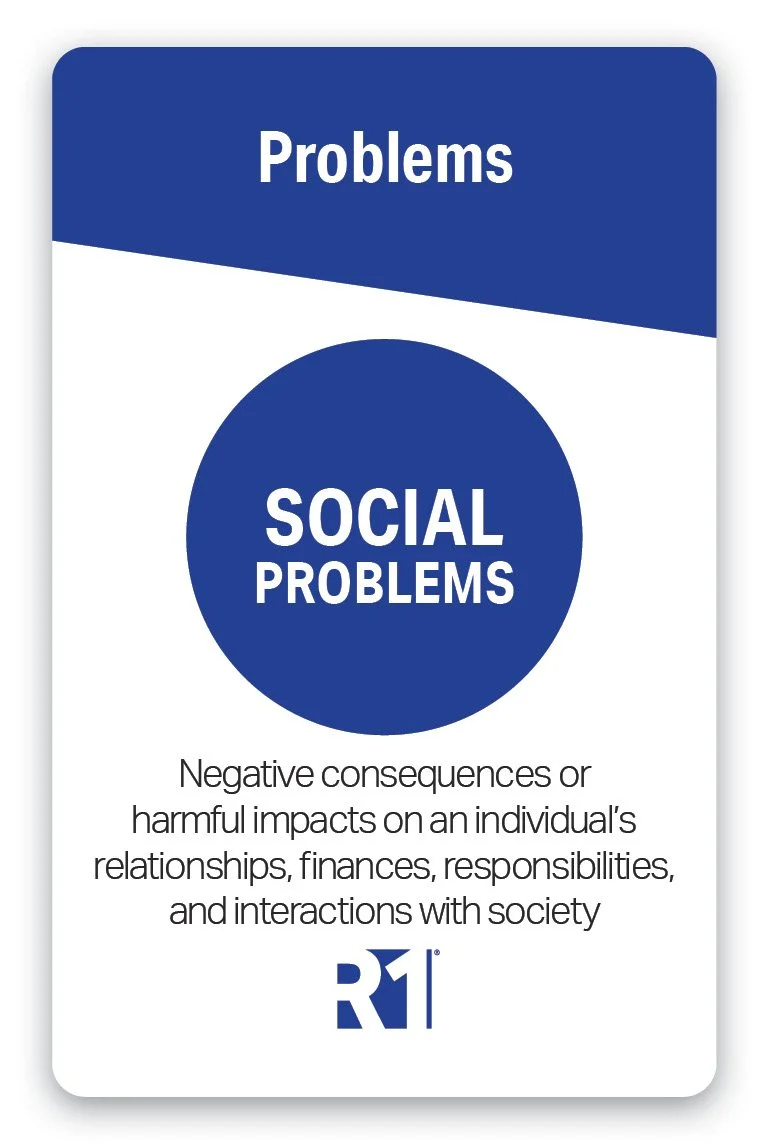
Problems Emerge—Physical, Phycological, Social
What are the harmful effects from vaping and smoking? How do vaping and smoking affect me and others around me? Vaping and smoking can lead to physical, psychological, and social problems that affect health, well-being, relationships, and daily life. The R1 Discovery Cards help individuals identify potential problems and evaluate their impact, cost, loss, or harm. Recognizing these consequences can build insight and motivation for healthier choices and change.
References
National Academies of Sciences, Engineering, and Medicine. (2018). Public health consequences of e-cigarettes. The National Academies Press. https://doi.org/10.17226/24952
U.S. Department of Health and Human Services. (2014). The health consequences of smoking—50 years of progress: A report of the Surgeon General. U.S. Department of Health and Human Services, Centers for Disease Control and Prevention, National Center for Chronic Disease Prevention and Health Promotion, Office on Smoking and Health.
Centers for Disease Control and Prevention. (2024). Cigarette smoking. U.S. Department of Health and Human Services.
Vaping & Smoking—A form of Substance Use
Substance use exists on a continuum, ranging from experimentation and occasional use to harmful use and substance use disorder. Recognizing when nicotine or other smoked or vaped substances begin to interfere with an individual’s health, relationships, school, work, responsibilities, or overall well-being is an important step toward prevention, early intervention, and recovery. The R1 Vaping & Smoking topic uses the Diagnostic and Statistical Manual of Mental Disorders (DSM-5-TR) substance use criteria as an educational framework to help individuals understand the warning signs and symptoms associated with harmful substance use.
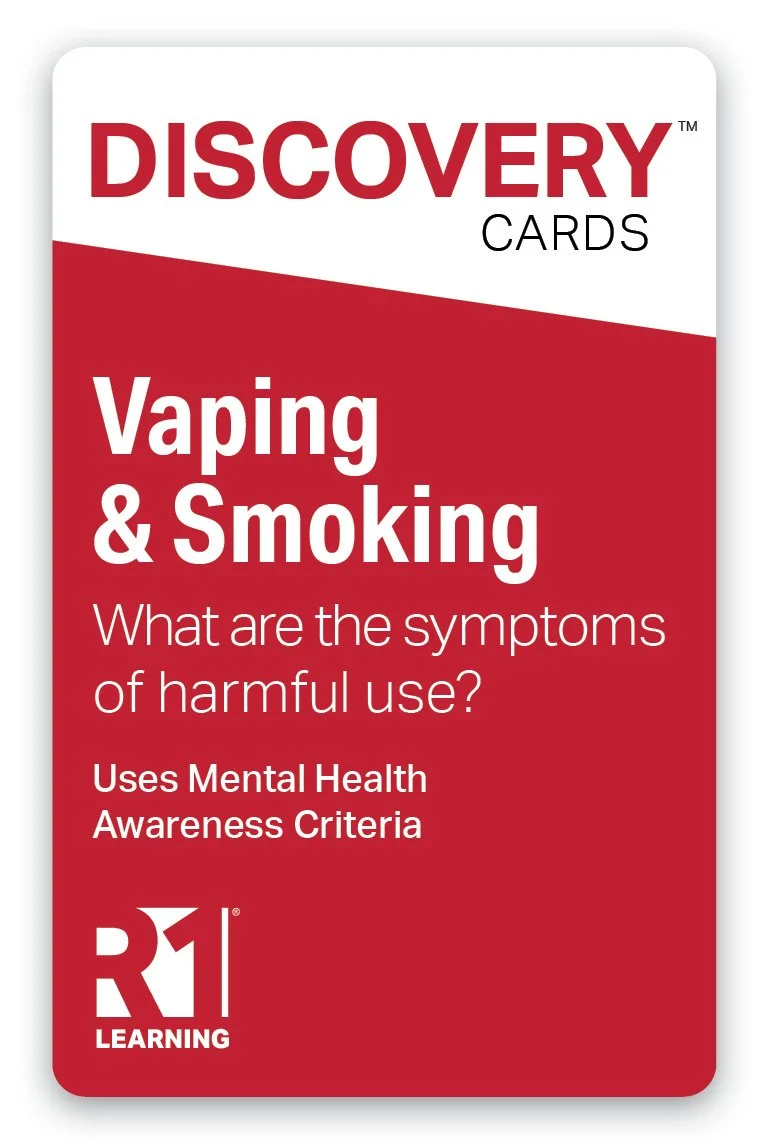
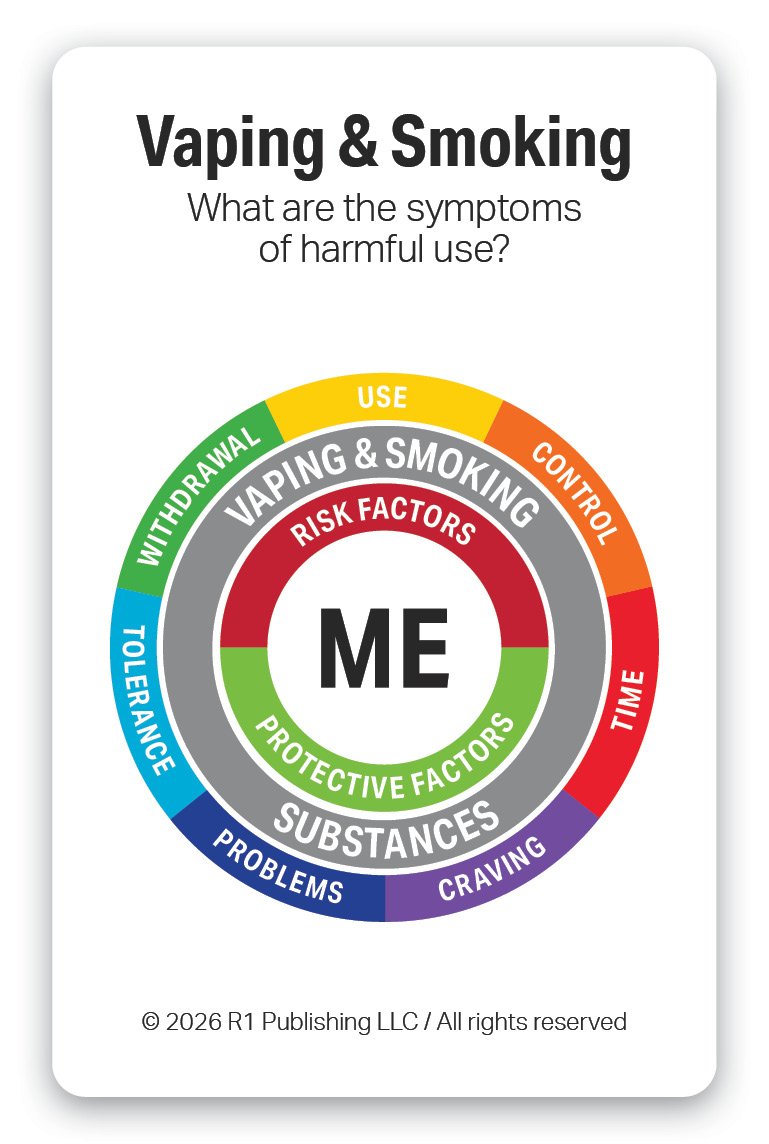
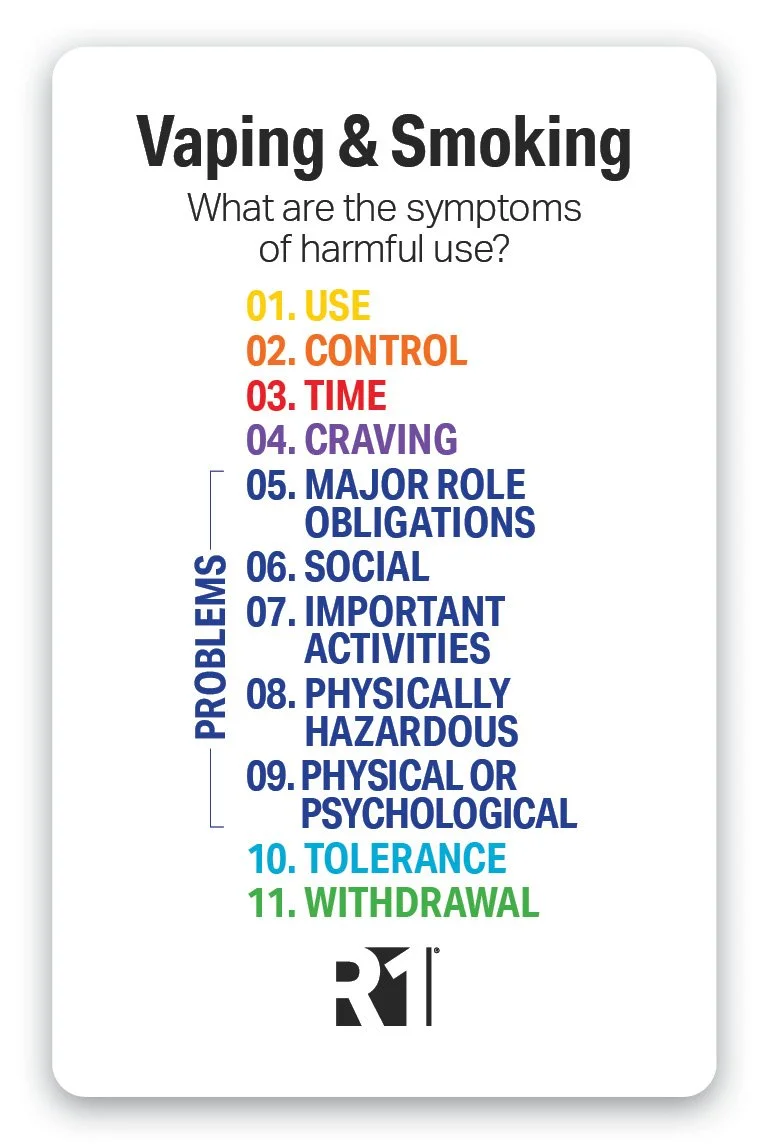
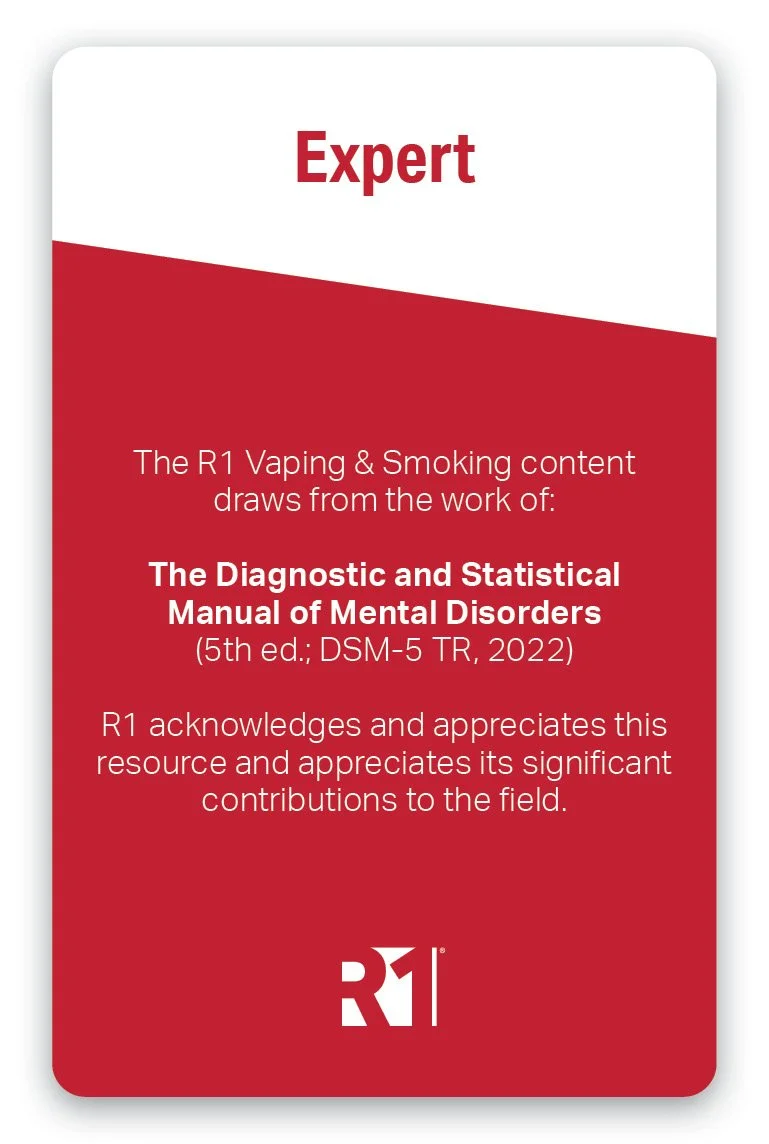
These evidence-based criteria are widely used by behavioral health professionals to assess substance use disorders. In this guide, however, they are presented as a learning tool—not as a self diagnostic instrument. Their purpose is to build awareness, expand vocabulary, and help individuals recognize patterns of nicotine, THC, and other substance use that may indicate increasing risk or the need for additional support.
Learning these warning signs does not mean that someone has a substance use disorder. Instead, they provide a practical framework for recognizing when substance use may be becoming harmful and when it may be appropriate to seek guidance from a trusted adult, healthcare provider, counselor, or behavioral health professional. Early recognition and intervention often lead to better health outcomes and can prevent more serious problems from developing over time.
Substance Use Symptoms Defined
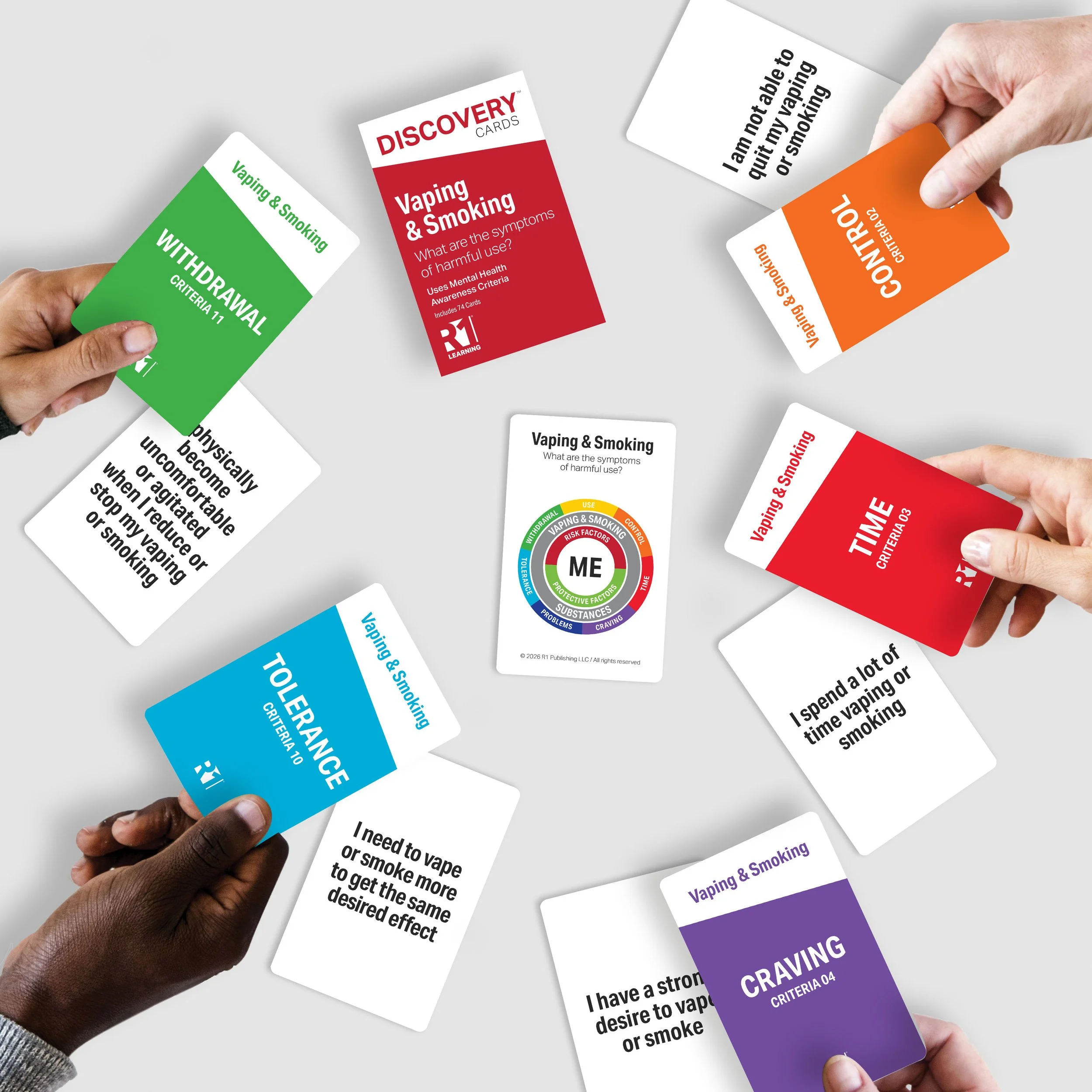
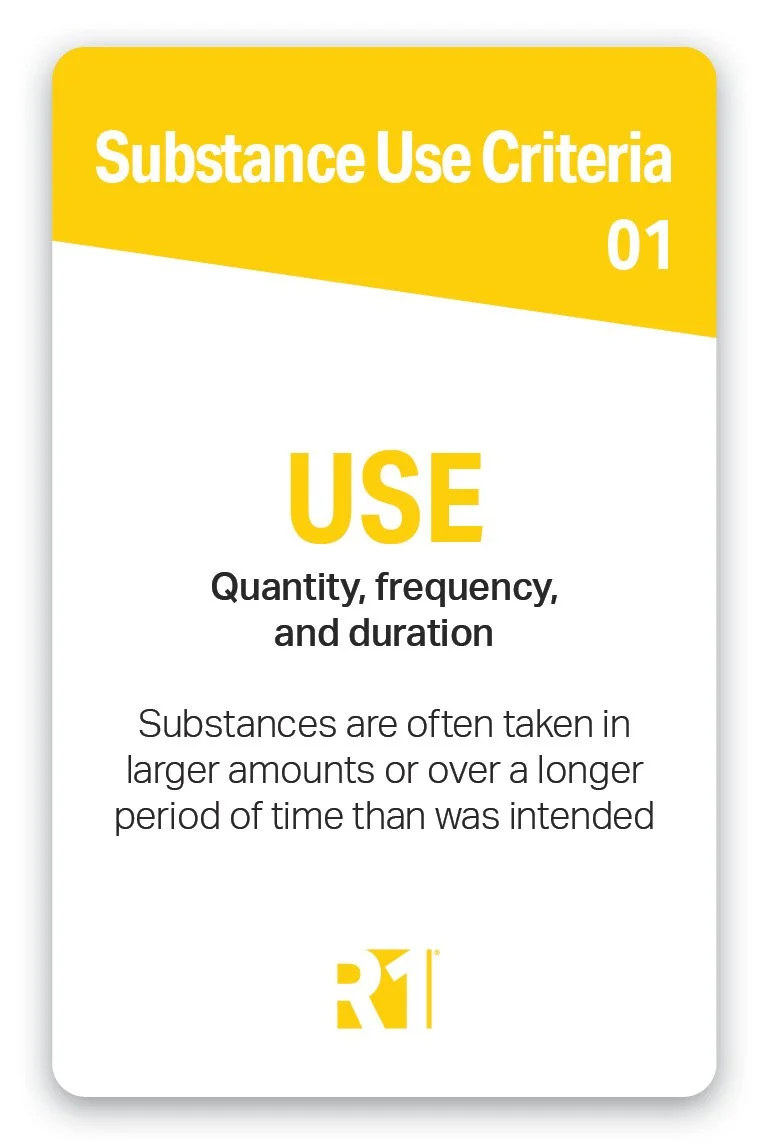
The Discovery Cards include eleven (11) definition cards (fronts shown below) and list four (4) behavioral statements for each (as shown with Withdrawal) to help both practitioners and individuals better observe, evaluate, and build a plan to address areas identified. The Discovery Cards deck also include thirty-three (33) Sorting Cards highlighting behaviors for each of the 11 symptoms.


References
American Psychiatric Association. (2022). Diagnostic and statistical manual of mental disorders (5th ed., text rev.). American Psychiatric Association Publishing. https://doi.org/10.1176/appi. books.9780890425787 HIV Guidelines
Substance Abuse and Mental Health Services Administration. (2026). 2025 National Survey on Drug Use and Health (NSDUH): Methodological summary and definitions. Center for Behavioral Health Statistics and Quality, Substance Abuse and Mental Health Services Administration. SAMHSA
National Institute on Drug Abuse. (n.d.). The science of drug use and addiction: The basics. National Institutes of Health. [NIDA materials reproduce and explain the DSM substance use disorder criteria.]. 12
The R1 Vaping & Smoking Engagement Toolkit
Questions to Explore

Answer these questions for yourself or someone you are working with.
What do you find helpful about this post?
How will these models and ideas be most useful for you and your team? Explain.
How does providing definitions and vocabulary for all of the key terms in this post increase your knowledge and literacy on Vaping & Smoking?
How can you and your team use this information to engage and support individuals in your program?
What are some areas in your program where you can incorporate a few of these tools or ideas?
What will be the benefit for you and others as you use this tool?
What is your major learning or takeaway from this post? Explain.
Copyright 2026 R1 Publishing LLC / All Rights Reserved. Use of this article for any purpose is prohibited without permission.
Engage, Educate, and Equip Your Staff
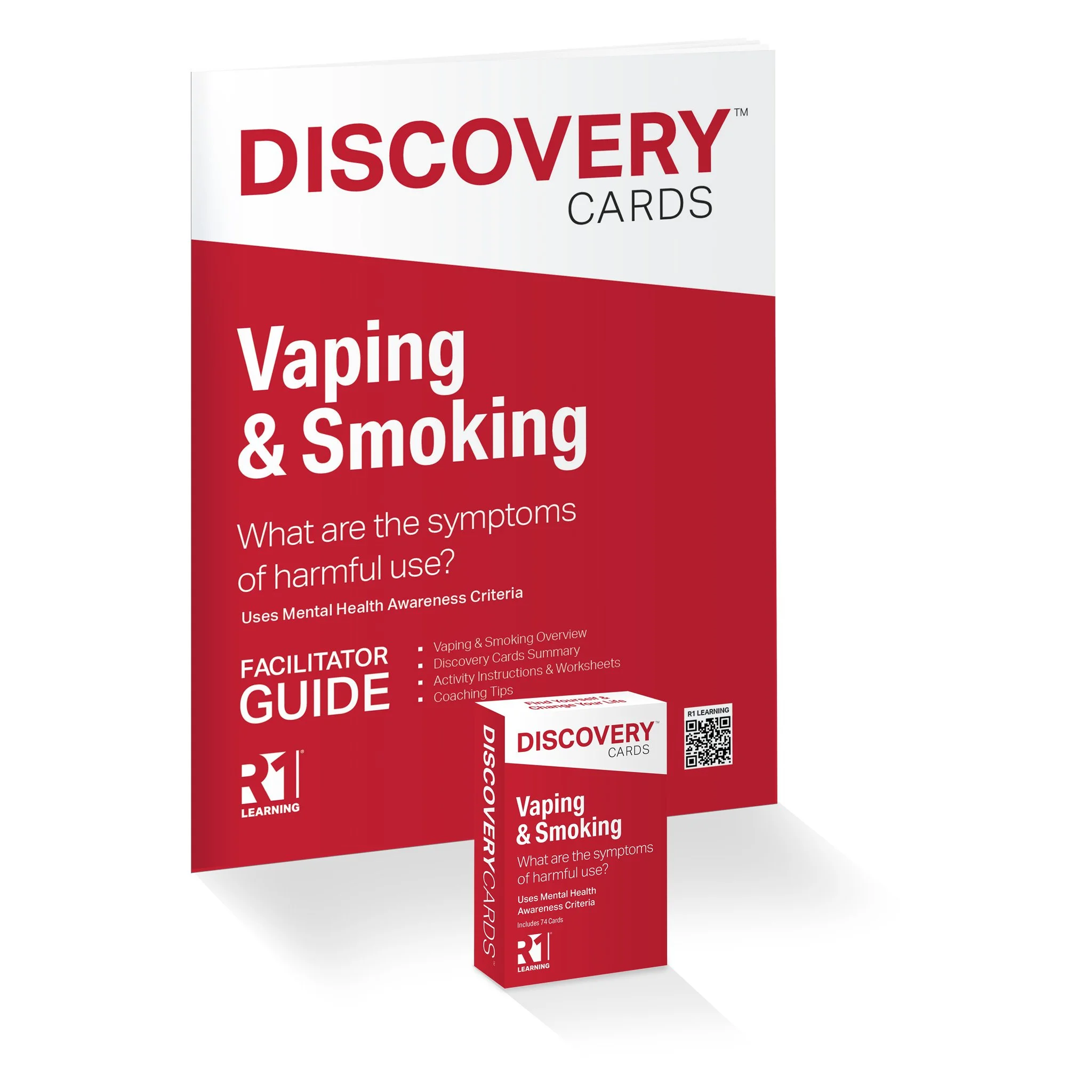
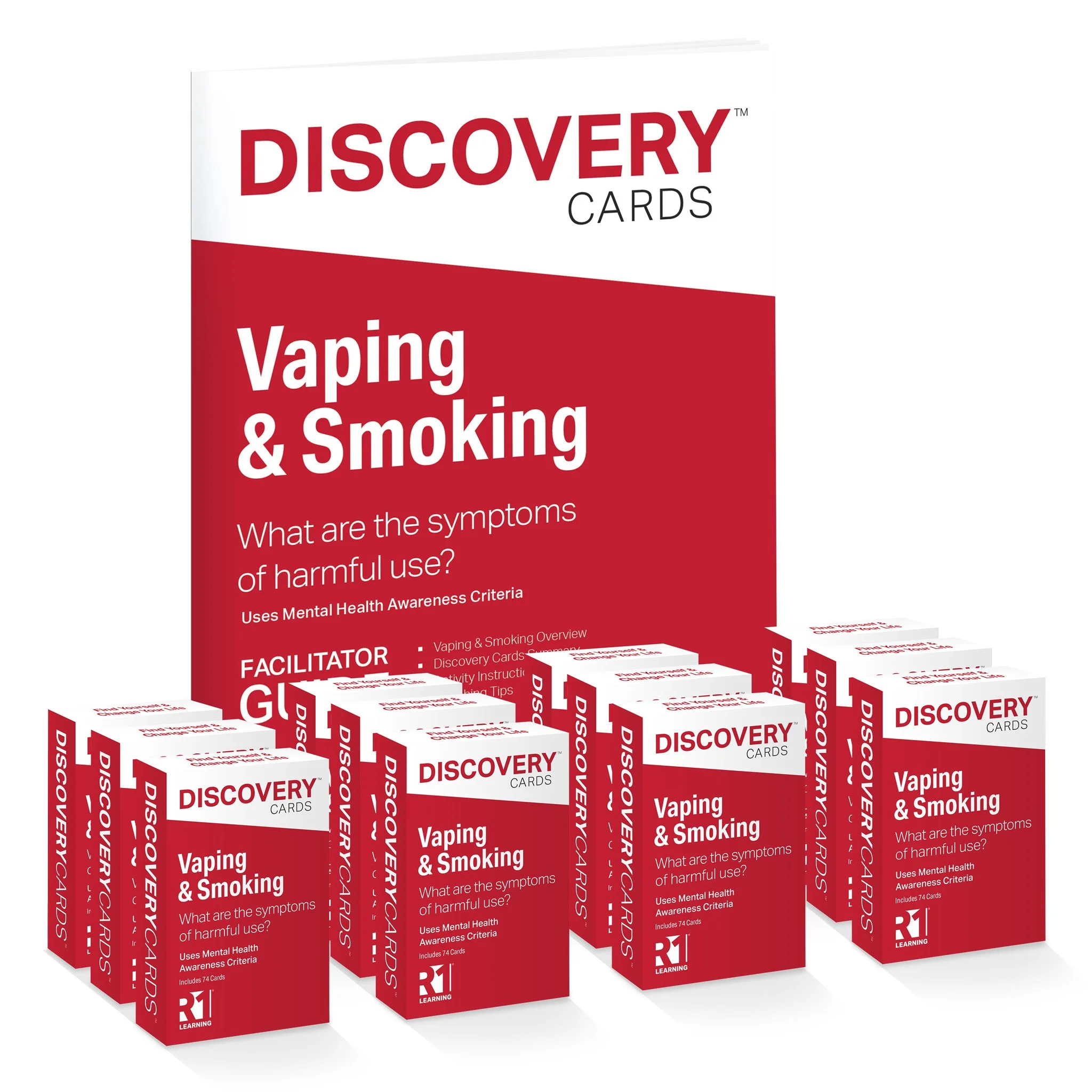
The R1 Learning System and the Discovery Cards Group Kits enable programs to implement workforce training programs strategically. Contact us to learn more about how to best implement the R1 Substance Use topic in your program, train your team, and engage clients in service. Visit the R1 Store to learn more about our training, tools, and technology resources. The Discovery Cards are an amazing tool for exploring these topics with individuals or groups.
One-on-One Engagement
Group Engagement
Virtual Engagement — R1 Discover

Here are a few ideas to help you learn more about R1 and engage others on this topic:
Share this blog post with others. (Thank you!)
Start a conversation with your team. Bring this information to your next team meeting or share it with your supervisor. Change starts in conversations. Good luck! Let us know how it goes.
Visit R1LEARNING.com to learn more about R1, the Discovery Cards, and how we’re creating engaging learning experiences through self-discovery.